Understanding the Pace of Real Change
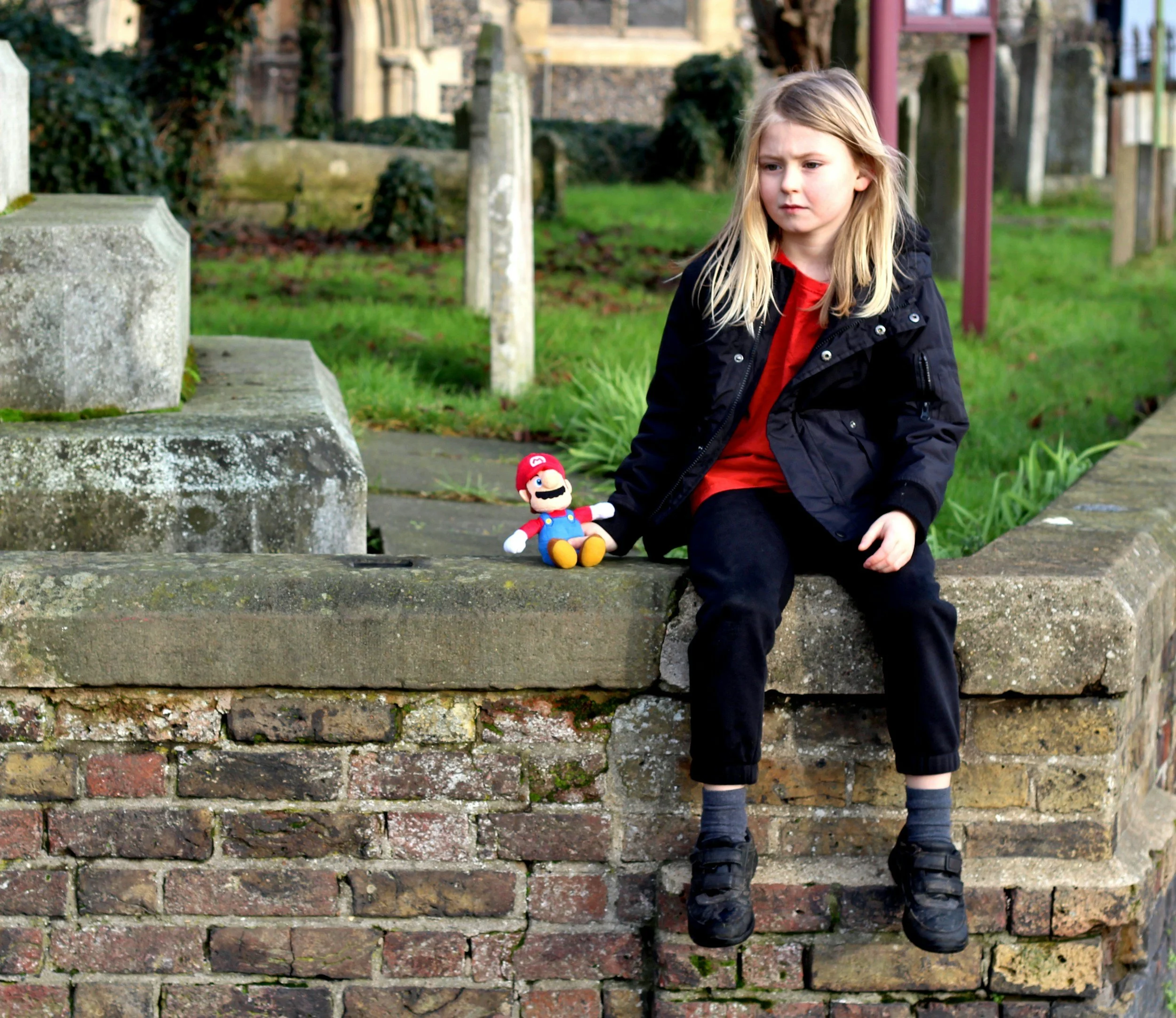
One of the most common questions parents ask at the beginning of therapy is simple and deeply understandable: How long will this take?
In a world that values quick solutions, it can feel unsettling to hear that child-centered play therapy is not designed to be fast. But there is an important reason for that. The pace of play therapy is not a flaw in the process. It is actually what makes the work meaningful and lasting.
When we slow down enough to understand why therapy takes time, it becomes much easier to trust what is unfolding.
How Children Heal Through Play
Children do not process their experiences the way adults do. They are not likely to sit down and talk through their fears, frustrations, or confusion in a linear way. Instead, they express and work through their inner world using play.
In the playroom, children are doing something profound. They are:
Rehearsing emotional experiences
Exploring power, control, and vulnerability
Making sense of relationships and identity
Processing events that may feel overwhelming or confusing
This kind of work cannot be rushed. It unfolds at the pace of the child’s readiness, not the urgency of the situation.
Why It’s Not a “Fix-It-Fast” Model
It is helpful to think about how long it took for a child’s challenges to develop. Patterns of anxiety, behavioral struggles, or emotional dysregulation often build over months or years.
Because of that, it would not be realistic or effective to expect those patterns to resolve in just a few sessions.
Child-centered play therapy typically follows a general trajectory:
An initial period of building safety and trust
A phase where resistance or hesitation may show up
A deeper work phase where themes emerge and shift
A thoughtful and supported ending process
On average, this process often spans around 30 sessions, though every child is different.
Rather than asking, “Why is this taking so long?” it can be more helpful to ask, “What is my child working through right now?”
What Progress Actually Looks Like
Progress in play therapy is often subtle before it becomes obvious.
In the beginning, you might not see major changes at home or school right away. That can feel discouraging, but it does not mean therapy is not working.
In fact, it is very common for growth to appear in the playroom first.
A child might begin to:
Show more flexibility in their play themes
Shift from extreme control to moments of cooperation
Express a wider range of emotions
Demonstrate small increases in self-regulation
These “micro-movements” are incredibly important. They are early indicators that the child is developing new internal capacities.
Over time, these internal shifts begin to generalize into the child’s daily life.
The Role of the Environment
Another key piece to consider is context.
Sometimes a child demonstrates strong regulation and problem-solving abilities in the playroom, but struggles significantly at school or home. This does not mean the child lacks the skill. It means something in the environment may be making it harder to access.
Part of the therapist’s role is to gently explore questions like:
Where does the child feel safe versus unsafe?
Are expectations developmentally appropriate?
Are there relational dynamics contributing to the behavior?
This kind of understanding takes time, observation, and collaboration.
Trusting the Process
At the heart of child-centered play therapy is a deep belief that children are capable of growth when given the right conditions.
Those conditions include:
A consistent and accepting relationship
Freedom to express themselves without judgment
Opportunities to make choices and experience consequences
Support in developing internal motivation and self-trust
When these elements are in place, children begin to move toward balance on their own. Even if it takes longer than expected.
How Parents Can Support the Process
One of the most powerful things a parent can do is hold steady during the process.
This includes:
Allowing time for change to unfold
Not expecting immediate behavioral shifts
Staying curious about what your child may be experiencing internally
Trusting that growth is happening, even when it is not yet visible
It can also be helpful to remember that therapy is a practice ground. Children are learning new ways of being, and like any skill, it takes repetition before it shows up consistently in real life.
A Different Way to Measure Success
Instead of measuring success by how quickly behaviors stop, it can be more meaningful to look at deeper indicators:
Is my child developing confidence in themselves?
Are they becoming more emotionally aware?
Do they have greater capacity to regulate and recover?
Are they beginning to see themselves as capable?
These are the foundations of long-term resilience.
And they are worth the time it takes to build.
References
Axline, V. M. (1969). Play therapy. Ballantine Books.
Landreth, G. L. (2012). Play therapy: The art of the relationship (3rd ed.). Routledge.
Ray, D. C. (2011). Advanced play therapy: Essential conditions, knowledge, and skills for child practice. Routledge.
Cochran, J. L., Nordling, W. J., & Cochran, N. H. (2010). Child-centered play therapy: A practical guide to developing therapeutic relationships with children. Wiley.