Support for Kids with School Problems
What Your Child’s Behavior Is Really Telling You
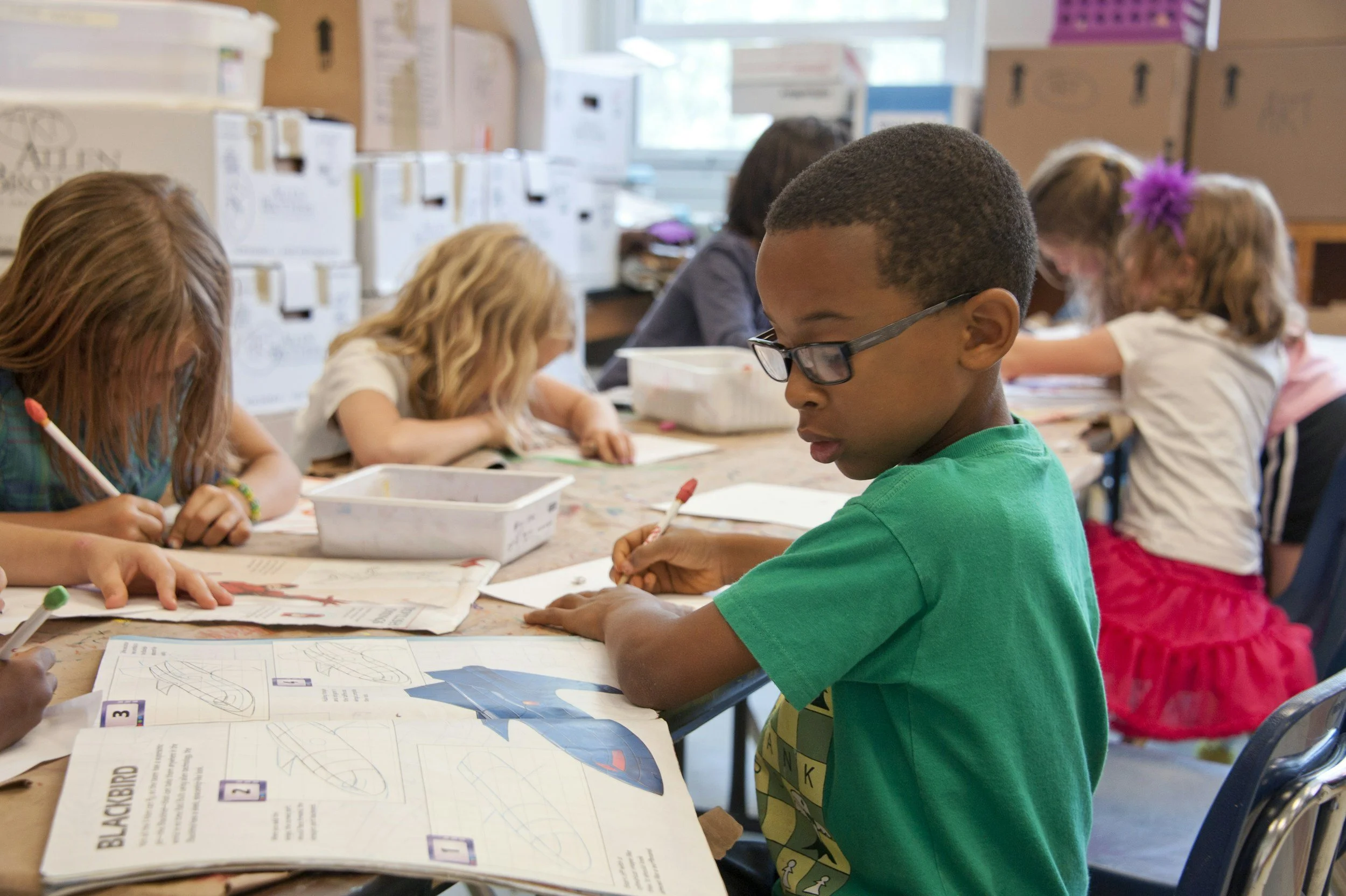
If your child is having a hard time at school, it can feel overwhelming quickly. Maybe you’re getting emails from teachers, noticing emotional meltdowns after school, or hearing that your child is “not listening,” “acting out,” or “shutting down.”
When this happens, it’s easy to focus on the behavior itself. But in my work as a child therapist in San Luis Obispo, I want you to know something important:
Behavior is communication.
And often, what’s happening at school is just the surface of something deeper.
Looking Beneath the Behavior
Children don’t usually have the words to explain what’s going on internally. Instead, they show us through what they do.
A child who is:
acting out in class
refusing to participate
struggling to focus
having emotional outbursts
is often trying to communicate something like:
“I feel overwhelmed”
“I don’t feel capable”
“I’m anxious and don’t know how to cope”
“I feel out of control”
From the outside, it can look like defiance or misbehavior. From the inside, it often feels like stress, fear, or frustration.
This is why simply correcting behavior rarely leads to lasting change. The behavior isn’t the problem. It’s the signal.
Why School Is Such a Common Struggle Point
School places a lot of demands on children all at once. Social expectations, academic pressure, transitions, and structure can all stretch a child beyond what they’re ready for.
For many kids, school is where underlying challenges first become visible.
Some common contributing factors include:
anxiety or perfectionism
difficulty with emotional regulation
challenges with attention or learning
social stress or peer relationships
feeling misunderstood or unsupported
What’s important to understand is this:
If your child can regulate in some environments but not at school, it doesn’t mean they “won’t behave.” It means something about that environment is harder for them.
Why You Might See the “After School Collapse”
Many parents tell me their child “holds it together” all day at school, only to fall apart at home.
This is incredibly common.
Children use a tremendous amount of energy trying to:
follow rules
manage emotions
meet expectations
avoid getting in trouble
By the time they get home, their nervous system is exhausted. The emotional release you see is not a step backward. It’s often a sign that your child finally feels safe enough to let go.
How Play Therapy Helps Children with School Problems
In play therapy in San Luis Obispo, we don’t focus on correcting behavior directly. Instead, we create a space where children can process what’s underneath it.
Play is a child’s natural language. Through play, children:
express feelings they don’t have words for
work through anxiety and stress
explore power, control, and confidence
build emotional regulation skills
Over time, something important happens.
As children feel more understood and more capable internally, their behavior begins to shift naturally. Not because they were told to behave differently, but because they feel different.
Progress Doesn’t Always Show Up Right Away at School
One of the most important things for parents to know is that progress often shows up in the playroom first.
You might hear things from me like:
“I’m seeing more confidence in session”
“They’re starting to regulate more easily here”
It can take time for those skills to generalize into the classroom.
Children need to:
feel safe
feel confident
trust their own abilities
before they can consistently show those skills in a more demanding environment like school.
This is why therapy is not a quick fix. It’s a process of building something from the inside out.
When to Seek Support
If your child is consistently struggling at school, it may be helpful to connect with a child therapist on the Central Coast.
You might consider support if:
behavior concerns are ongoing or escalating
your child seems anxious, overwhelmed, or withdrawn
school staff are expressing concerns
your child’s confidence is being impacted
Early support can make a meaningful difference. Children are incredibly capable of growth when given the right space and support.
A Different Way to See Your Child
It can be hard not to worry when school isn’t going well. But your child is not “a problem to fix.”
They are a child trying to navigate something that feels hard.
When we shift from: “What’s wrong with my child?” to: “What is my child trying to tell me?” everything changes.
And from that place, real growth begins.
References
Axline, V. M. (1969). Play therapy. Ballantine Books.
Bratton, S. C., Ray, D., Rhine, T., & Jones, L. (2005). The efficacy of play therapy with children: A meta-analytic review of treatment outcomes. Professional Psychology: Research and Practice, 36(4), 376–390. https://doi.org/10.1037/0735-7028.36.4.376
Landreth, G. L. (2012). Play therapy: The art of the relationship (3rd ed.). Routledge.
Ray, D. C. (2011). Advanced play therapy: Essential conditions, knowledge, and skills for child practice. Routledge.
Schaefer, C. E., & Drewes, A. A. (2014). The therapeutic powers of play: 20 core agents of change. Wiley.