Play Is the Connection
Simple Ways to Use Play to Strengthen Your Relationship
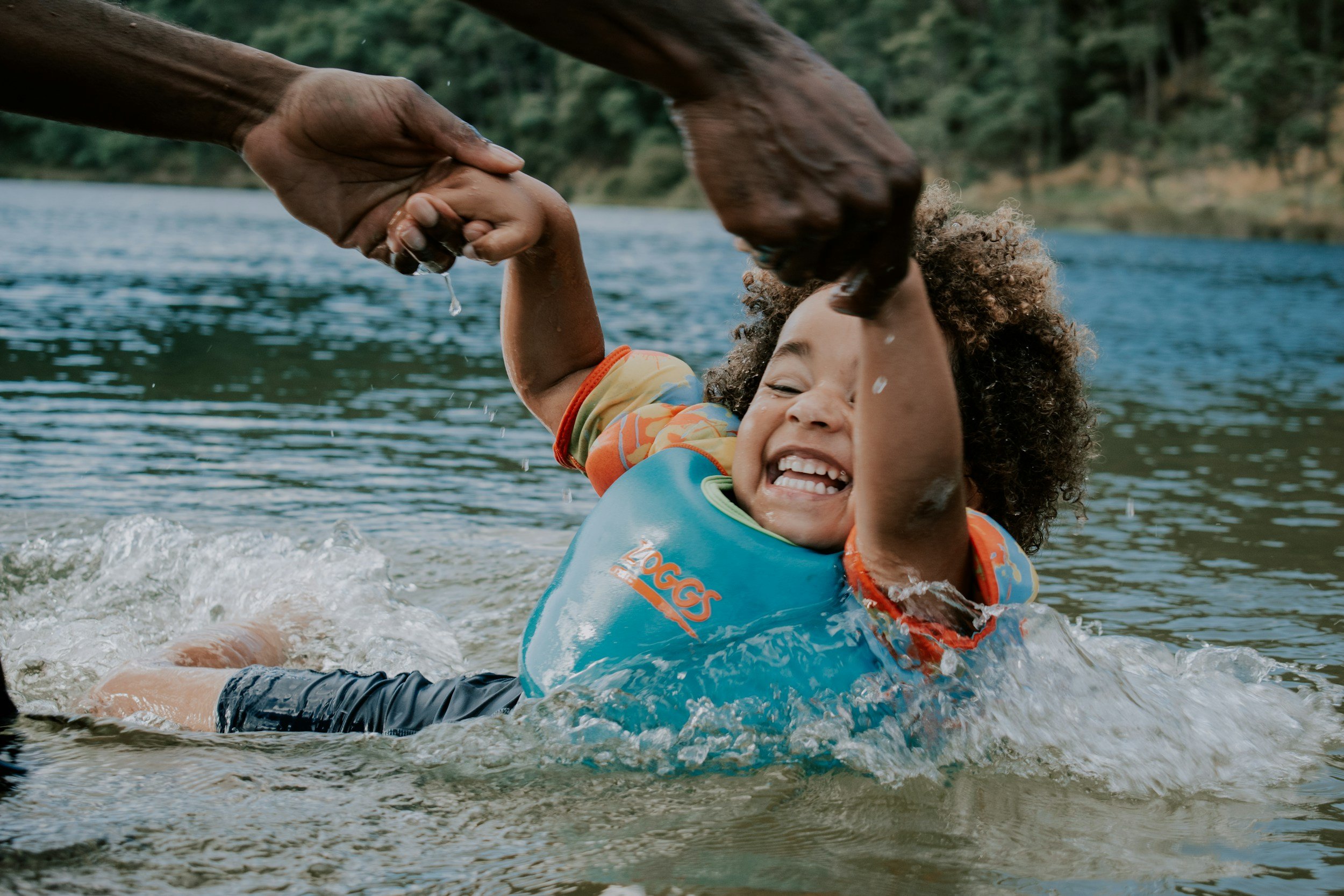
Play can feel like just one more thing on your to-do list.
Something extra.
Something you’ll get to when there’s time.
But for children, play is not extra.
Play is how they connect, communicate, and feel understood.
And when parents learn to use play in simple, intentional ways, it becomes one of the most powerful tools for strengthening your relationship with your child.
Why Play Matters So Much
Children do not process their world primarily through words.
They process through:
Movement
Imagination
Sensory experiences
Play
This is why play therapy and child therapy rely so heavily on play.
Play allows children to:
Express feelings they cannot yet explain
Work through challenges
Feel a sense of control and confidence
When you join your child in play, you are stepping into their language.
Connection Comes Before Cooperation
Many parents come to child therapy in San Luis Obispo feeling trapped in repeated cycles of power struggles, defiance, and disconnection. It can be tempting to focus only on the behavior, but what lies beneath is the relationship. When children feel connected, seen, and genuinely enjoyed, they become naturally more cooperative. Play is one of the quickest and most effective ways to strengthen that connection.
You Don’t Need to Be “Good” at Play
Many parents worry that they are “not playful” or “don’t know how to play.” You do not need to be creative, silly, or entertaining. Your child is not looking for a performance. What matters most is that you are present, follow their lead, and show genuine interest. That simple presence is what builds real connection.
5 Simple Ways to Use Play at Home
You do not need hours of free time or elaborate setups.
Small, consistent moments matter most.
1. Follow Your Child’s Lead
Let your child decide:
What to play
How to play
What the rules are
Your role is to join, not direct.
This builds:
Confidence
Autonomy
A sense of being understood
2. Narrate Instead of Direct
Instead of telling your child what to do, describe what you see:
“You’re building a really tall tower”
“That car is going so fast”
“You’re making the dinosaur roar loudly”
This shows attention and interest without taking over.
It also supports language and emotional awareness.
3. Let Play Be Imperfect
Resist the urge to:
Correct
Teach
Make things “right”
If the puzzle piece is in the wrong spot or the game does not follow the rules, that is okay.
Play is about expression, not performance.
4. Set Aside Short, Predictable Play Time
Even 10–15 minutes of focused, child-led play can make a difference.
You might call it:
“Special time”
“Play time”
“Our time”
During this time:
Put your phone away
Avoid multitasking
Be fully present
Consistency matters more than duration.
5. Use Play to Help With Transitions and Challenges
Play can also reduce stress in everyday moments.
For example:
Turning cleanup into a game
Using a silly voice to get dressed
Racing to the car
Pretending to be animals during routines
Play lowers resistance and makes hard moments feel more manageable.
What Play Communicates to Your Child
When you engage in play this way, your child experiences:
“I matter”
“You enjoy being with me”
“You understand me”
“I feel safe with you”
These messages are the foundation of emotional security.
And emotional security is what allows children to:
Regulate their feelings
Build confidence
Navigate challenges
When Play Feels Hard
Some children find it hard to engage in play, or they may use it in ways that feel intense or confusing. You might notice repetitive or aggressive themes, difficulty staying engaged, or strong emotions showing up during play. In these situations, working with a play therapist or child therapist in San Luis Obispo can be very helpful. Play therapy offers a safe and structured space for children to express their emotions, process experiences, and develop regulation skills. Parents also learn practical ways to support play at home in ways that feel manageable and effective.
A Different Way to Think About Play
Play is not something extra to fit in.
It is one of the most direct ways to build the relationship you want with your child.
Instead of asking:
“Do I have time to play?”
Try asking:
“How can I use play to connect today?”
Because for children, play is not just fun.
It is how they feel close to you.
References
Axline, V. M. (1969). Play therapy. Ballantine Books.
Landreth, G. L. (2012). Play therapy: The art of the relationship (3rd ed.). Routledge.
Bratton, S. C., Ray, D., Rhine, T., & Jones, L. (2005). The efficacy of play therapy with children: A meta-analytic review of treatment outcomes. Professional Psychology: Research and Practice, 36(4), 376–390.
Siegel, D. J., & Bryson, T. P. (2014). No-drama discipline: The whole-brain way to calm the chaos and nurture your child’s developing mind. Bantam Books.