Sibling Signals
How Jealousy Shows Up in the Playroom
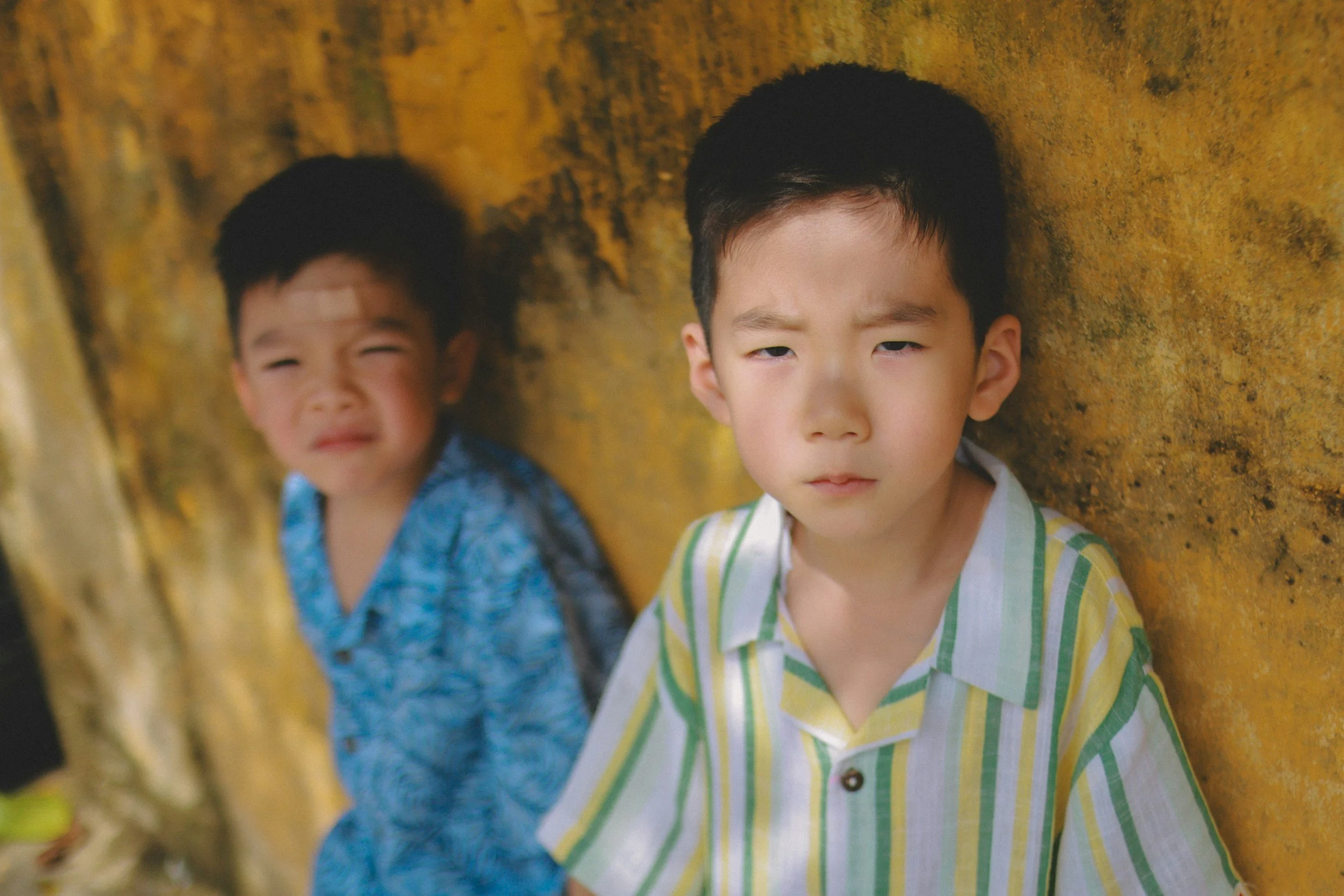
Sibling relationships can be loving, playful, and deeply meaningful. They can also bring up big emotions. Jealousy, competition, and frustration are common, especially during times of change such as a new baby, shifting family routines, or differences in attention. As a child therapist and play therapist serving families in San Luis Obispo and across the Central Coast, I often see sibling jealousy emerge in subtle but powerful ways during child-centered play therapy.
Children do not always say, “I feel jealous.” Instead, they communicate through behavior and symbolic play. In the playroom, these feelings often surface in recurring themes that give insight into a child’s experience within the family.
Why Sibling Jealousy Happens
Sibling jealousy is a normal developmental experience. Children naturally compare themselves to siblings and may worry about their place in the family. This is especially common when:
a new sibling is born
younger siblings require more care
older siblings receive different privileges
children perceive differences in attention
a sibling starts attending the same school or preschool
From a play therapist perspective, jealousy is not something to eliminate. It is something to understand and process. When children are given a safe space, they can work through these feelings in healthy ways.
Failed Nurturing Themes
One of the most common ways sibling jealousy appears in play therapy is through failed nurturing themes. A child may create scenarios where a baby doll is ignored, denied comfort, or treated harshly. A character may ask for care and be rejected.
A child therapist may see this as a reflection of how the child feels when attention is focused on a sibling. The play allows the child to express disappointment and frustration without needing to say it directly. As the child processes these emotions, nurturing interactions in the play often become more balanced.
Aggression Toward Smaller Characters
Sibling jealousy sometimes shows up as aggression directed toward smaller or more vulnerable figures. A child might have a larger character dominate a smaller one, take away toys, or exclude them from play.
This does not mean the child wants to harm their sibling. Instead, the play often represents feelings of competition or resentment. The playroom provides a safe outlet for these emotions. Children instinctively understand that their behavior and how they express themselves in the playroom, is different than how they behave or express themselves at home or other places. A play therapist accepts the expression of anger or frustration while maintaining appropriate limits, which helps the child process rather than suppress the feeling.
Regression and Self-Nurturing
Children experiencing sibling jealousy may also engage in self-nurturing or regressive play. They might pretend to be a baby, use blankets for comfort, or seek nurturing roles for themselves. This often reflects a desire for the same care they see a sibling receiving.
A child therapist understands this as a need for reassurance. As the therapeutic relationship builds, children often become more secure and less focused on regressive play.
Control and Power Themes
Jealousy can also lead children to seek control. In play therapy, this may appear as a child deciding who gets resources, who is included, or who receives attention. A child may set rules that favor one character over another.
These themes often reflect a child’s effort to restore balance. When children feel their position in the family has shifted, control in play helps them regain a sense of security. A play therapist supports this process while maintaining gentle, consistent boundaries.
What Parents May Notice at Home
As children work through sibling jealousy in play therapy, parents often notice shifts outside the playroom. Children may:
show more patience with siblings
express needs more directly
seek reassurance or support instead of acting out
demonstrate increased flexibility
engage in more cooperative play
Families in San Luis Obispo and throughout the Central Coast often find that when jealousy is acknowledged and processed, relationships between siblings become more relaxed and connected.
Supporting Children Through Sibling Jealousy
Parents can support children by recognizing that jealousy is normal. Responding with empathy rather than correction helps children feel safe sharing their emotions. Simple statements like “It’s hard when your sister needs a lot of help” validate the experience without encouraging negative behavior.
Spending brief one-on-one time with each child can also reduce competition. Even a few minutes of child-led interaction strengthens connection and reassurance.
Sibling jealousy is not a sign of a problem. It is a sign that children care deeply about their place in the family. Through child-centered play therapy, children can safely express these feelings, build security, and develop healthier sibling relationships. With support from a child therapist or play therapist, children learn that there is enough attention, care, and connection for everyone.
References
Axline, V. M. (1947). Play therapy. Houghton Mifflin.
Landreth, G. L. (2012). Play therapy: The art of the relationship (3rd ed.). Routledge.
Ray, D. C. (2011). Advanced play therapy: Essential conditions, knowledge, and skills for child practice. Routledge.
Bratton, S. C., Ray, D. C., Rhine, T., & Jones, L. (2005). The efficacy of play therapy with children. Professional Psychology: Research and Practice, 36(4), 376–390. https://doi.org/10.1037/0735-7028.36.4.376