Responsibility in Children
Why follow-through develops through trust, not pressure
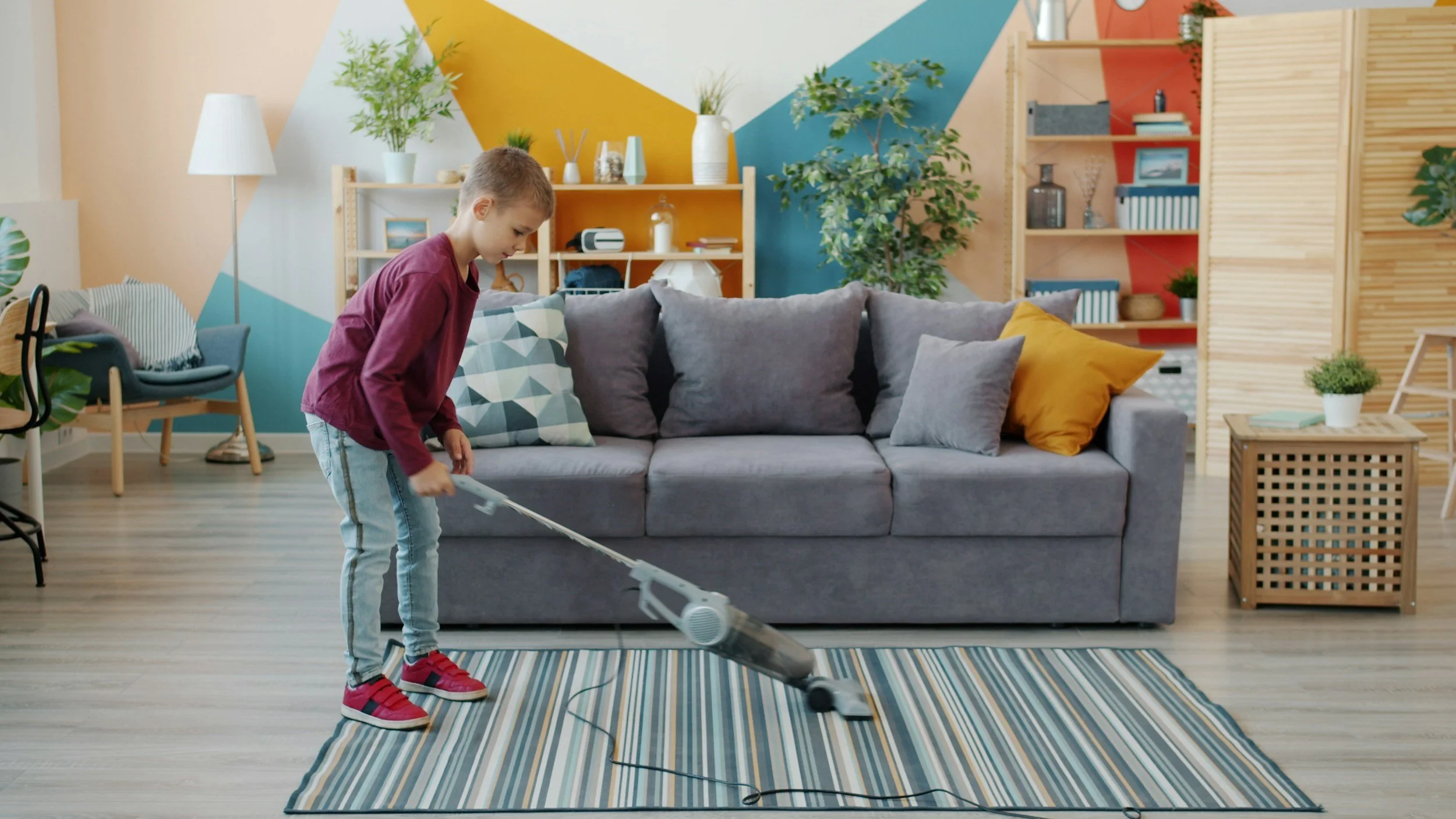
Many parents feel stuck in a cycle of reminders, repeat instructions, and frustration when children do not follow through. It can look like a lack of responsibility on the surface, but in child development, responsibility is not a fixed trait. It is a skill that develops over time through relationship, structure, and experience.
As a child therapist in San Luis Obispo, I often support families in shifting from “getting kids to be responsible” toward something more effective and aligned with child development: creating conditions where responsibility can actually grow.
In child centered play therapy, we often see that children already have the capacity for responsibility. The question is not whether they can, but whether they have had enough safe, supported opportunities to practice it.
Responsibility Is Built, Not Taught
From a child centered perspective, responsibility is not something we instruct into a child. It is something they internalize through experience.
When children are given the opportunity to make decisions, follow through on them, and experience natural outcomes in a safe environment, they begin to develop internal locus of control. This means they start to see themselves as capable of influencing their world.
This process can be seen as helping children develop self-responsibility through experience rather than direction. When adults consistently take over tasks or rescue children from discomfort too quickly, children lose opportunities to build that internal structure.
What Happens When Adults Carry Too Much of the Responsibility
In many families, responsibility becomes an adult driven system. The parent remembers, prompts, organizes, and completes follow through while the child responds passively or inconsistently.
From a child centered lens, this can unintentionally reinforce dependence. The child learns that responsibility is external. It belongs to the adult system, not to them.
This does not mean parents are doing something wrong. It often comes from efficiency, stress, or wanting to prevent struggle. But the developmental message can become: “I don’t need to manage this, someone else will.”
How Responsibility Shows Up in Child Centered Play Therapy
In the playroom, responsibility is not taught directly. It is experienced through structure and freedom within limits.
Children are free to choose what to do and how to do it. The therapist does not direct, correct, or take over. Instead, the therapist uses facilitative responses that return responsibility to the child, such as:
“You can decide what you want to do with that.”
“That is something you get to figure out in here.”
“You are showing me how you want that to go.”
At the same time, limits are consistently and calmly held. This combination of freedom and structure creates a safe environment where children can explore decision making without fear of failure or judgment.
Over time, children begin to move from external control to internal regulation. This is a key foundation of responsibility.
Why Follow Through Is the Real Developmental Task
What parents often describe as “not being responsible” is usually difficulty with executive functioning skills that are still developing. These include starting tasks, shifting attention, tolerating frustration, and completing multi-step processes.
From a child centered perspective, these skills are strengthened when children are allowed to experience ownership without constant external correction.
When adults step back slightly, not in abandonment but in attuned support, children have space to struggle, problem solve, and eventually succeed. This process builds competence in a way that instruction alone cannot.
The Role of the Therapeutic Relationship
In child centered play therapy, the relationship is the mechanism of change. The therapist communicates consistent acceptance, empathy, and belief in the child’s capacity.
This “be with” stance helps children feel psychologically safe enough to take risks, make choices, and experience outcomes. When children feel accepted without needing to perform or comply, they are more willing to engage in self-directed behavior.
This is where responsibility begins to shift internally. Not because the child is being held accountable through pressure, but because they are experiencing themselves as capable within a secure relationship.
What Helps Children Develop Responsibility at Home
From a child centered framework, responsibility grows when children experience:
Clear, consistent limits without emotional escalation
Opportunities to make age appropriate choices
Space to experience natural consequences in safe ways
Reduced rescuing or over-functioning from adults
Calm return of responsibility rather than repeated reminders
Importantly, the goal is not to withdraw support. It is to adjust the level of support so that it matches the child’s developmental capacity.
Children do not build responsibility through being pushed harder. They build it through repeated experiences of “I can try this, I can figure this out, and I can recover if it does not go perfectly.”
How This Looks in Child Therapy Outcomes
As children engage in child centered play therapy, parents often begin to notice shifts outside the playroom. These may include:
Increased independence in daily tasks
More willingness to try without excessive reassurance
Improved frustration tolerance
More internal motivation rather than external prompting
These changes are not the result of direct instruction. They emerge from repeated experiences of autonomy, acceptance, and structured freedom.
For families seeking parenting support on the Central Coast, this approach can feel very different from traditional behavior management. It focuses less on controlling behavior and more on supporting development from the inside out.
References
Landreth, G. L. (2012). Play Therapy: The Art of the Relationship. Routledge.
Axline, V. M. (1969). Play Therapy. Ballantine Books.
Ray, D. C. (2011). Advanced Play Therapy. Routledge.
Bratton, S. C., Ray, D., Rhine, T., & Jones, L. (2005). The efficacy of play therapy with children. Professional Psychology: Research and Practice, 36(4), 376–390.