“Good Kid” “Bad Kid”
Why Labels and Comparisons Can Hurt Children’s Behavior
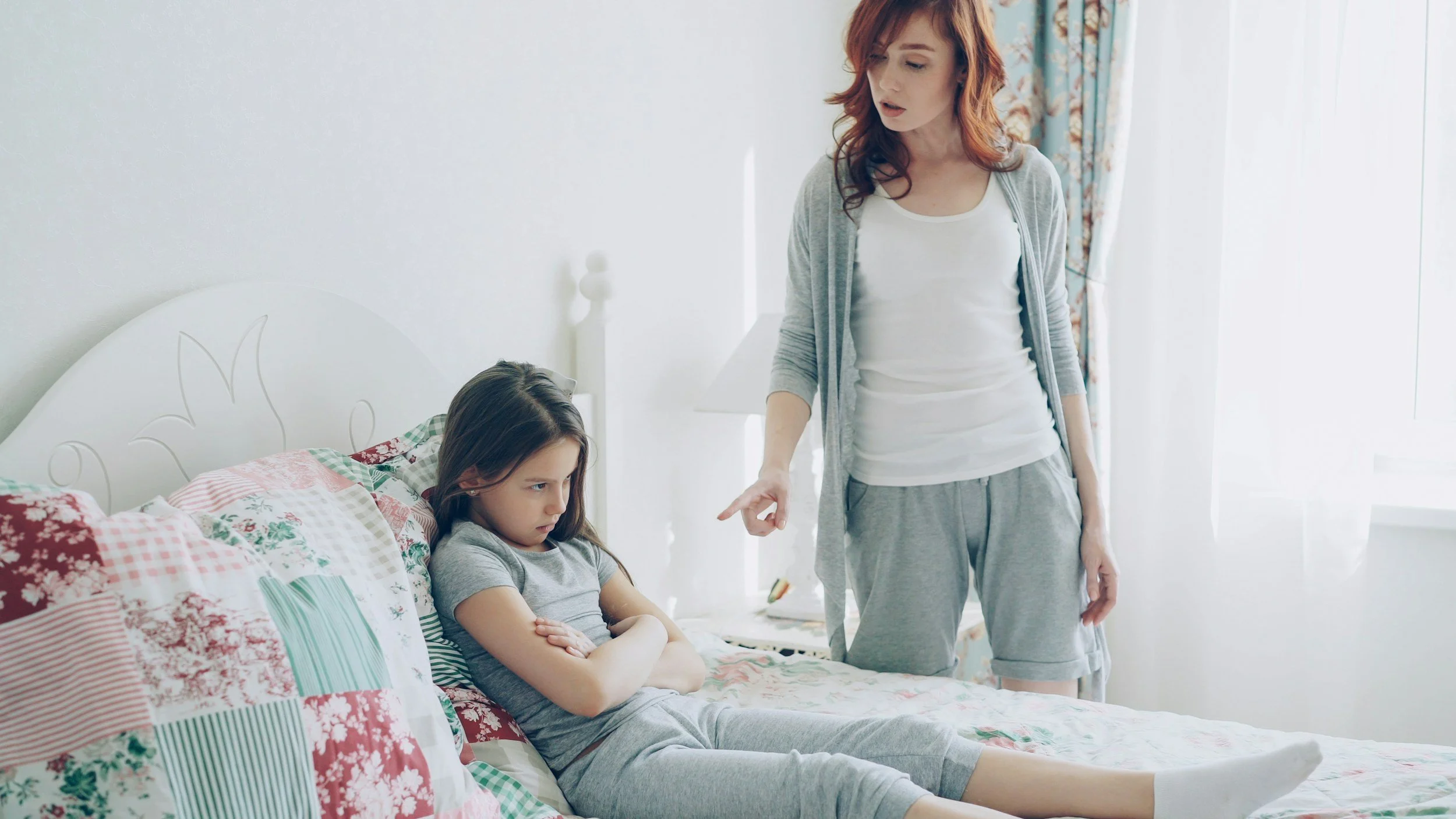
Children are constantly learning about themselves, their capabilities, and their place in the family. How parents talk about their children and how siblings are compared can shape not just behavior but self-concept, emotional health, and long-term relationship patterns. Understanding the research behind labeling and comparison can help parents guide their children in ways that support confidence, cooperation, and emotional resilience.
What Happens When Children Are Labeled
Parents sometimes describe a child as “the stubborn one,” “the troublemaker,” or “the shy child.” Even when the intention is benign, these labels can influence how children see themselves and how others treat them. Labels can become internalized, especially when repeated over time, shaping a child’s identity more than their actual behavior. Labels may also affect expectations, communication, and the emotional climate in the home.
When children are labeled, they may begin to behave in ways that align with that label. This happens because expectations influence how adults respond, which in turn reinforces the behavior associated with the label. In some cases, studies suggest that negative labeling can lead to children feeling boxed into a role that limits their growth and overlooks change. This can undermine a child’s self-esteem, motivation, and willingness to try new challenges.
The Impact of Comparisons Between Siblings
Comparison between siblings is another common dynamic in families. Parents may unconsciously treat one child differently based on perceived behavior, achievement, or temperament. Research shows that when parents compare siblings or treat them differently, it can be associated with more internalizing behaviors (such as anxiety or sadness) and externalizing behaviors (such as acting out or aggression). Children who feel less favored or unfairly treated may interpret those comparisons as evidence that they are less capable or loved than their sibling.
Sibling comparisons also play into social comparison theory, which suggests that children evaluate themselves relative to others around them. In families where one child is consistently seen as “better behaved” or “more accomplished,” other children may feel pressure to conform to expectations they don’t naturally fit. This can influence not just behavior at home but social functioning at school and emotional security in relationships.
Why Describing Behavior Instead of Labeling Helps
Shifting language from labels to specific behavior helps parents respond more thoughtfully. For example, describing an action like “leaving your toys on the floor makes cleanup harder for everyone” focuses on the specific behavior without attributing a fixed trait to the child. When parents describe actions rather than identity, children are more likely to understand the connection between their behavior and its impact. This approach supports problem solving and fosters a sense of agency rather than a fixed identity.
Positive attention and behavior-specific encouragement help build self-confidence and reduce defiance. When children feel understood and seen for their efforts instead of judged by a label, they are more likely to feel motivated and less defensive about correction.
Helping Children Navigate Sibling Dynamics
Strong sibling relationships can support social development and emotional resilience. However, when comparisons are frequent or unfair, children may feel rivalry, jealousy, or resentment. Research suggests that healthy sibling relationships can act as buffers during stressful family situations. Positive sibling interactions can reduce anxiety and support adaptive coping skills.
Parents can help by focusing on each child’s strengths, acknowledging differences without ranking them, and avoiding language that suggests one child is better than another. Encouraging cooperative activities and shared goals can strengthen sibling bonds and reduce competition.
When to Seek Support
If labeling or comparisons are contributing to persistent behavior problems, low self-esteem, or strained sibling relationships, it may help to work with a child therapist or play therapist in San Luis Obispo. Therapy offers a safe space for children to explore their feelings, build healthier self-concepts, and learn communication skills. Parent education in therapy can also guide families in using language and interaction patterns that promote cooperation and emotional connection.
References
Avoid Labeling Your Child. (n.d.). CHC Online. https://www.chconline.org/resourcelibrary/avoid-labeling-your-child/
Labelling Kids & Their Positive and Negative Outcomes. (n.d.). FirstCry Parenting. https://parenting.firstcry.com/articles/should-parents-label-their-kids/
Meunier, J., et al. (2023). Parental differential treatment of siblings linked with internalizing and externalizing behavior. Child Development. https://academic.oup.com/chidev/article/95/4/1384/8255292
Sibling Comparison of Differential Parental Treatment in Adolescence. (n.d.). PubMed. https://pubmed.ncbi.nlm.nih.gov/11194260/
Parents’ Social Comparisons of Siblings and Youth Problem Behavior. (n.d.). PubMed. https://pubmed.ncbi.nlm.nih.gov/29916187/
Positive and Negative Interactions Observed Between Siblings. (n.d.). PubMed. https://pubmed.ncbi.nlm.nih.gov/24244080/