Divorce, Two Homes, and Children’s Play
How kids show emotions and process change through play
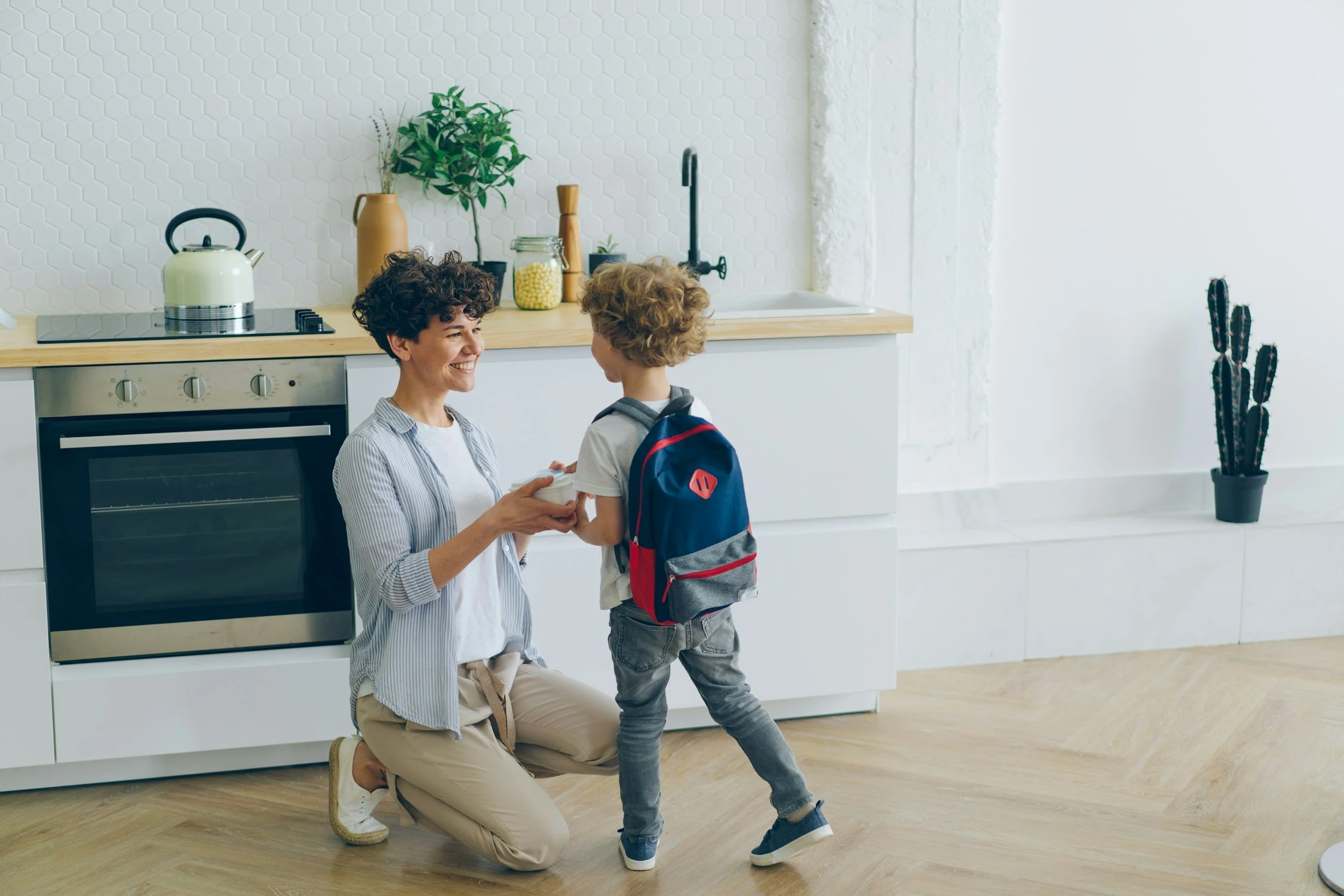
When families go through divorce or children move between two homes, parents often wonder how these changes affect their child emotionally. Some children talk openly about their feelings, but many do not have the words to explain what they are experiencing. Instead, these emotions often appear through play.
Play therapy gives children a natural way to process complex experiences like separation, transitions, and changes in routine. A child therapist pays attention to patterns in play that may reflect how a child is making sense of living in two homes. These patterns help guide support while allowing the child to lead the process.
Why children use play to process family changes
Divorce and shared custody arrangements can bring a mix of emotions. Children may feel sadness, confusion, worry, relief, or even guilt. They may also struggle with transitions between homes or changes in daily routines.
Because these experiences are complicated, children often express them symbolically through play. This allows them to explore feelings safely and at their own pace. A child therapist creates a space where these themes can unfold naturally without pressure or interpretation.
Common separation themes in play
One of the most frequent ways divorce or two homes show up in play is through separation themes. A character might leave for work, move to a different house, or be dropped off somewhere. Another character may stay behind and react to the separation.
These scenarios often repeat in different forms. Children may be working through the experience of saying goodbye, wondering when they will see someone again, or managing the uncertainty that comes with transitions.
Repetition is meaningful. It allows children to revisit the experience and gradually build emotional understanding and tolerance.
Reunion and reconnection in play
Separation is often followed by reunion play. Characters who were apart may come back together, celebrate, or express relief. This reunion gives children an opportunity to experience connection after distance.
For children who move between homes, reunion play can help reinforce the idea that relationships remain even when physical separation occurs. It supports the development of emotional security and trust.
Control and predictability themes
Children living in two homes may also create play scenarios where they control who leaves, who stays, and when reunions happen. This sense of control can be very comforting.
When real life feels unpredictable, play allows children to organize their world. They can decide outcomes, change endings, and create consistency. This process helps reduce anxiety and builds confidence.
Testing constancy and connection
Another way these experiences appear in play is through hiding, searching, or checking games. Children may hide toys and then find them, use pretend phones, or repeatedly move characters in and out of view.
These activities help children test the idea that people and relationships still exist even when they are not physically present. This is especially important for children adjusting to time spent in different homes or time spent away from important caregivers and family members.
A child therapist understands that these patterns are part of building emotional security and trust.
What parents might notice outside the playroom
While children are processing these themes, parents may notice behaviors such as increased clinginess, difficulty with transitions, or questions about schedules. These reactions are normal. They often reflect a child’s effort to adapt to change.
A child therapist can support both the child and parents during this adjustment period. Families working with a child therapist in San Luis Obispo often find reassurance in understanding that these behaviors are part of emotional processing rather than signs that something is wrong.
How parents can support their child
Consistency between homes helps children feel more secure. Predictable routines, clear communication, and reassurance about ongoing relationships all support emotional stability.
It is also helpful to allow children to express feelings without trying to fix them. Listening calmly and acknowledging emotions reinforces that it is okay to have mixed feelings about living in two homes.
When parents provide this support alongside therapy, children often adapt more comfortably and develop resilience.
The healing role of play therapy
Through play, children can explore separation, reunion, and connection in a safe environment. They can repeat experiences, express emotions, and gradually build confidence in their relationships.
Play therapy does not rush children through these feelings. Instead, it gives them time and space to process change in a way that feels manageable. With support from a child therapist, children learn that even when life changes, relationships remain and they are safe.
References
Landreth, G. L. (2012). Play therapy: The art of the relationship (3rd ed.). Routledge.
Ray, D. C. (2011). Advanced play therapy: Essential conditions, knowledge, and skills for child practice. Routledge.
Axline, V. M. (1969). Play therapy. Ballantine Books.
Association for Play Therapy. (n.d.). Play therapy makes a difference. Retrieved from https://www.a4pt.org