A Built in Frenemy
Helping Siblings Build a Positive Relationship
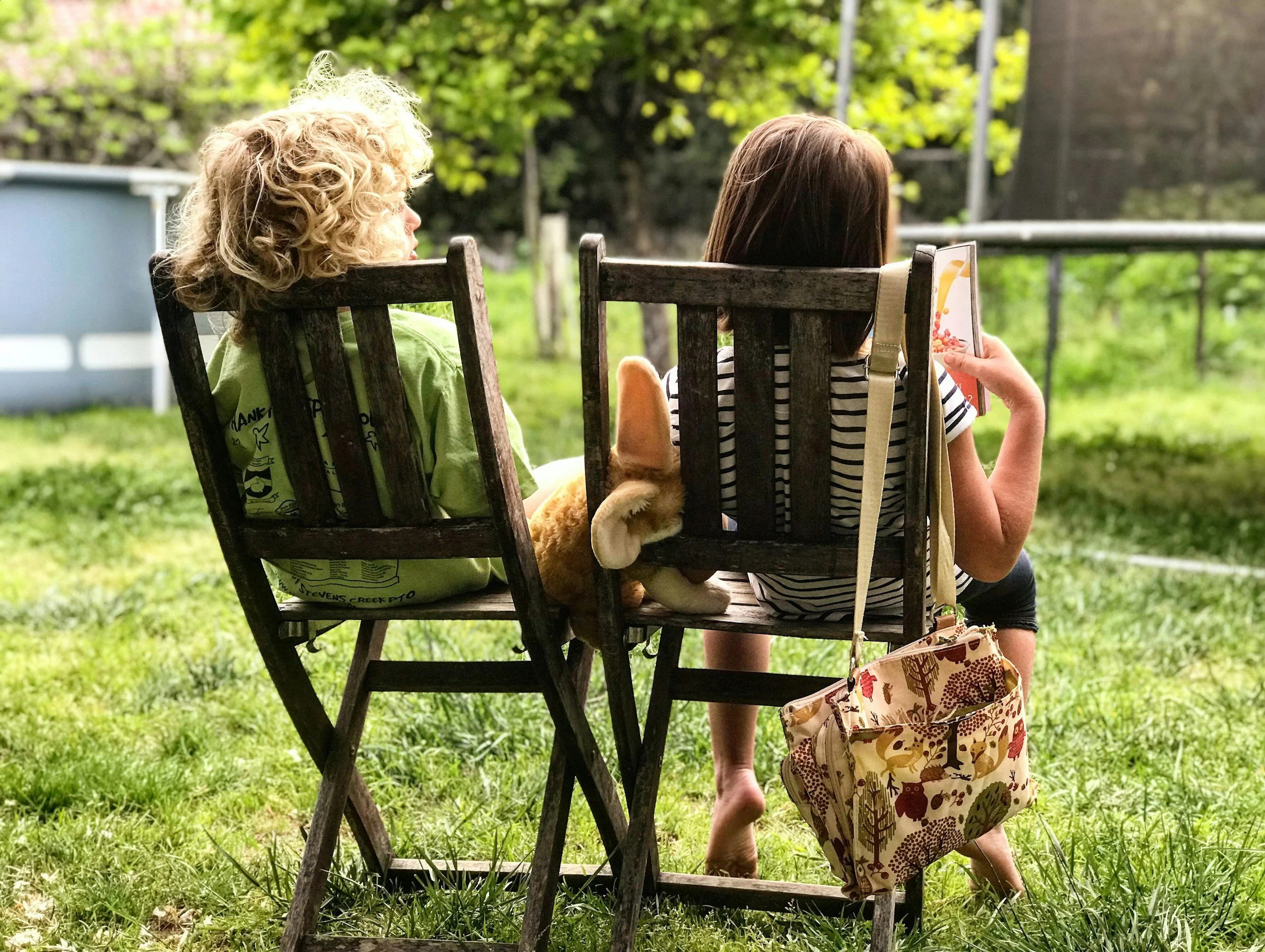
Sibling relationships are some of the most important social connections children form early in life. These bonds shape emotional growth, social skills, and even future relationships. When siblings get along well they can support each other, learn empathy, and grow in confidence. When sibling relationships are strained or riddled with rivalry they can contribute to stress and behavior challenges at home and at school.
As a child therapist in San Luis Obispo, I often work with families who want to understand how to help their children get along better, reduce conflict, and strengthen their bond. Research shows that positive sibling relationships are built through warmth, shared experience, and supportive parenting.
Why Positive Sibling Relationships Matter
Sibling relationships provide a unique context for children to learn social and emotional skills. These interactions are emotionally intense and frequent, offering opportunities to practice empathy, cooperation, and conflict resolution. Warm and supportive sibling relationships have been shown to promote better mental health, improved peer and romantic relationships later in life, and positive adjustment in school and social settings. ([turn0search7])
Positive sibling bonds are linked with social competence and emotional understanding. Through shared play and cooperation siblings can scaffold each other’s prosocial behavior such as helping, sharing, and comforting. These experiences support emotional regulation and strengthen social skills that children use beyond the family setting. ([turn0search13])
What Parents Can Do to Encourage Positive Sibling Bonds
Parents play a central role in shaping the quality of sibling relationships. The quality of the parent-child relationship often carries over into how siblings treat each other. When parents model warm, respectful interactions children are more likely to show similar behavior with each other. Research shows that supportive parenting, communication, and emotional attunement are associated with more positive sibling interactions and less conflict. ([turn0search4])
Here are research-based ideas for nurturing positive sibling relationships:
1. Encourage shared enjoyable activities
Time spent together doing activities both children enjoy builds positive shared experiences. These create memories and patterns of cooperation rather than only conflict.
2. Teach and model empathy
Help your children understand each other’s feelings. When siblings learn to recognize and name emotions they are better equipped to support each other through disagreements.
3. Support individual identity and strengths
Children are more likely to appreciate each other when they feel secure in their own strengths and roles. Celebrating each child’s uniqueness reduces rivalry and comparison.
4. Guide conflict resolution gently
Rather than stepping in immediately, help children use words and problem-solving strategies to resolve disagreements. This teaches skills they will use in friendships and future relationships.
5. Maintain consistent, fair parenting
Avoid showing differential treatment that might make one child feel favored or neglected. Parents who treat siblings fairly help reduce feelings of resentment.
How Emotional Health and Behavior Are Impacted
Positive sibling relationships are linked with reduced behavior problems and better emotional outcomes over time. Research suggests that siblings can influence each other’s behavior patterns for both prosocial and problematic behaviors. When siblings exhibit warm and supportive interactions they tend to reinforce each other’s emotional competence and reduce antisocial patterns. ([turn0search2], [turn0search15])
Children who feel emotionally supported within the family are also better able to manage stress from school, peer challenges, and transitions. Strengthening sibling bonds can therefore support overall emotional health and resilience.
When to Seek Professional Support
If sibling conflict is persistent, intense, or affecting your family’s well-being it may help to consult with a child therapist or play therapist. In child therapy in San Luis Obispo, children can explore communication strategies, emotional regulation, and supportive interaction patterns that reduce rivalry and build connection with others, including their sibling.
Therapy provides a safe environment for children to express emotions and practice new ways of relating to others. It also supports parents in learning strategies to strengthen family relationships and emotional health.
References
Feinberg, M. E., & Sakuma, K. L. (2013). Enhancing sibling relationships to support youth development (Siblings Are Special). Family Journal. Retrieved from https://pubmed.ncbi.nlm.nih.gov/23000632/
Sackett, C. M. Y. (2021). Helping your children develop positive, successful sibling relationships (Master’s thesis). California State University - San Bernardino. https://scholarworks.lib.csusb.edu/etd/1189
Sibling relationship quality from birth to adolescence. (2006). American Psychological Association. https://pubmed.ncbi.nlm.nih.gov/16402865/
Sibling influence on prosocial behavior. (2017). Sibling Aggression and Abuse Research and Advocacy Initiative. Retrieved from https://pubmed.ncbi.nlm.nih.gov/28858773/
Positive sibling relationships. (2025). Positive Sibling Relationships Resource. https://www.unh.edu/saara/our-work/positive-sibling-relationships