Finding Balance on Weekends
Structure, Play, and Rest for Kids
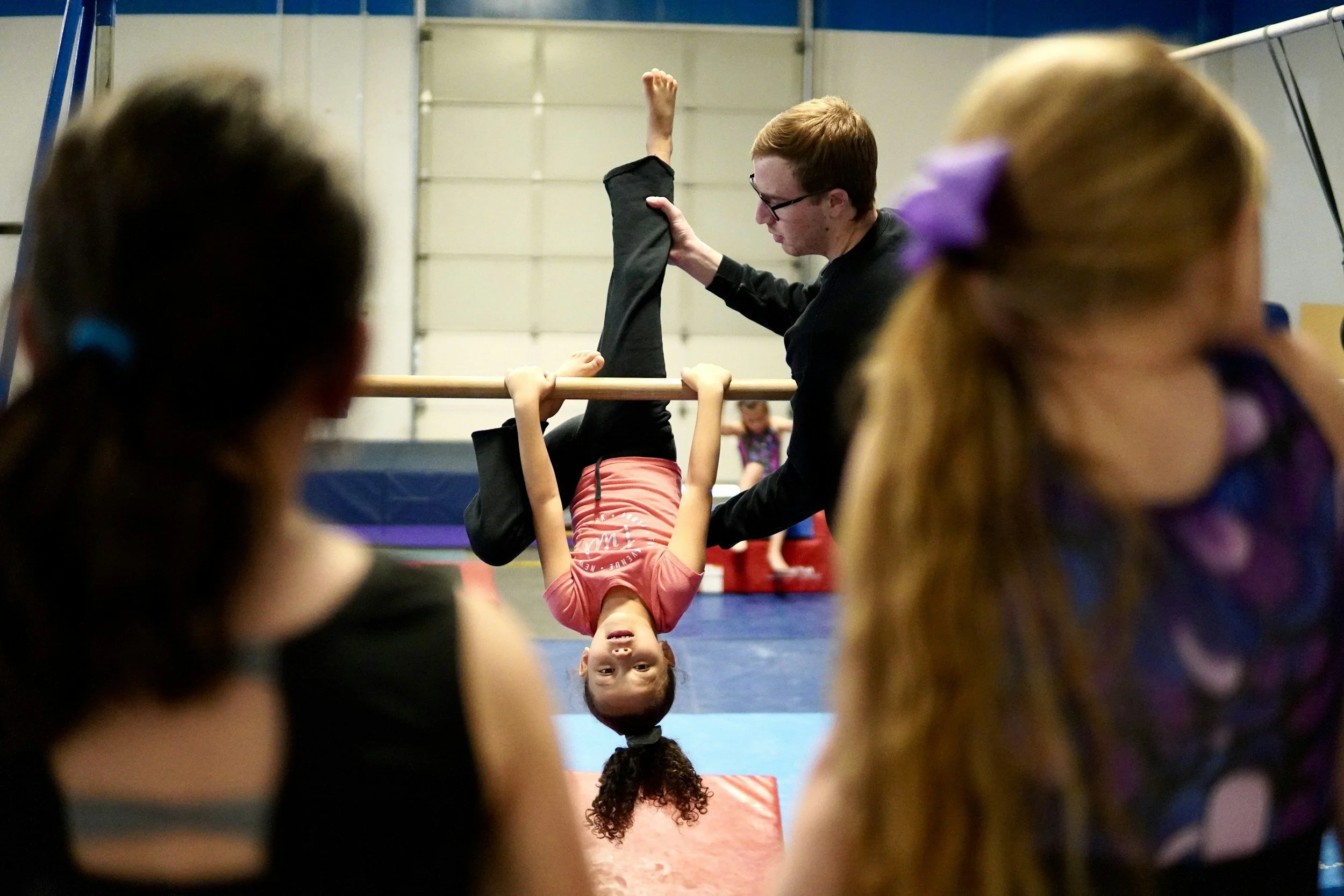
Weekends can be a source of joy and connection for families, but they can also feel overwhelming. After a busy school week and extracurricular commitments, many children and parents struggle with how much structure and how much free time to include in weekend plans. The right balance supports emotional well-being, healthy development, and stronger family relationships. In child therapy and play therapy, we see how thoughtful weekend routines that blend structure with unstructured play can help children feel secure, regulated, and energized.
Why Balance Matters
Children benefit from both predictable routines and opportunities for free, imaginative play. Research shows that free play and unstructured time support emotional regulation, problem solving, and social skills. Play gives children space to explore feelings, create their own challenges, and practice independence. When children are overscheduled or lack downtime, they may experience stress, emotional reactivity, or burnout.
At the same time, too little structure can contribute to anxiety or behavioral struggles because children do not know what to expect. Routines help children feel safe and understand patterns of the day, which can reduce stress and conflict. Incorporating some structure around meals, sleep, and transitions gives children a sense of predictability while still leaving room for flexibility and play.
How to Support Kids on Weekends
1. Prioritize Playful Unstructured Time
Allow children significant blocks of unstructured play. Research suggests that free play contributes to emotional well-being and cognitive and social growth. Children use this time to explore ideas, socialize with siblings or peers, and practice self-regulation. Outdoor play can be especially beneficial for mood, behavior, and physical health.
2. Include Purposeful Structure
Even simple routines help anchor the day. Predictable times for eating, bedtime, and chores create stability without turning the weekend into a strict schedule. Children can contribute to designing the weekend flow to build engagement and ownership.
3. Alternate Activities with Downtime
Rather than packing the day with back-to-back activities or leaving the entire weekend unplanned, consider a rhythm. For example, plan a family outing in the morning followed by relaxed free play or reading time in the afternoon. This approach helps children balance stimulation with restoration.
4. Make Room for Joint Family Activities
Shared experiences like bike rides, hikes, board games, cooking together, or reading help strengthen bonds and support emotional connection. These moments show children that they are valued and help reduce stress by fostering laughter and collaboration.
5. Monitor Screen Use Sensibly
While screens can offer short breaks for parents and fun for kids, research links excessive screen time with increased anxiety and behavioral challenges. Encouraging active play and social interaction supports emotional well-being and helps kids regulate attention and mood.
Why Down Time Is Not Downgrading Parenting
Downtime allows children’s brains and bodies to rest and recover. Without it, children (and adults) may feel tense, irritable, or bored in a way that leads to emotional outbursts. Play researchers emphasize that free, child-led play is part of healthy development and should not be treated as unproductive time. Children need space to feel bored, brainstorm, and imagine without an agenda.
Parents sometimes worry they must “make weekends special” with constant activities or match what other families do. In reality, children benefit more from quality of interaction than quantity of events. Thoughtful time together with room to explore their own interests builds resilience and emotional confidence.
When to Seek Support
If weekends consistently feel chaotic, stressful, or emotionally overwhelming for your child or your family, it may be time to explore support from a child therapist or play therapist. In child therapy in San Luis Obispo, therapy can help children process feelings related to stress, transitions, or performance pressure, while helping parents build routines that work for their family.
References
Burdette, H. L., & Whitaker, R. C. (2005). Resurrecting free play in young children: Looking beyond fitness and fatness to attention, affiliation, and affect. JAMA Pediatrics. https://jamanetwork.com/journals/jamapediatrics/fullarticle/485902
Lebel, A., & Panksepp, J. (2023). Free play and child development: The value of unstructured activity for emotional and cognitive growth. International Journal for Multidisciplinary Research. https://www.ijfmr.com
National Institute for Play. (n.d.). The importance of play for children. https://nifplay.org/play-note/child-play/
Kids Mental Health Foundation. (n.d.). How routines help kids’ mental health. https://www.kidsmentalhealthfoundation.org/mental-health-resources/mental-wellness/kids-routines
UNICEF. (n.d.). How play strengthens your child’s mental health. https://www.unicef.org/parenting/child-development/how-play-strengthens-your-childs-mental-health