What children are telling us when they put themselves down
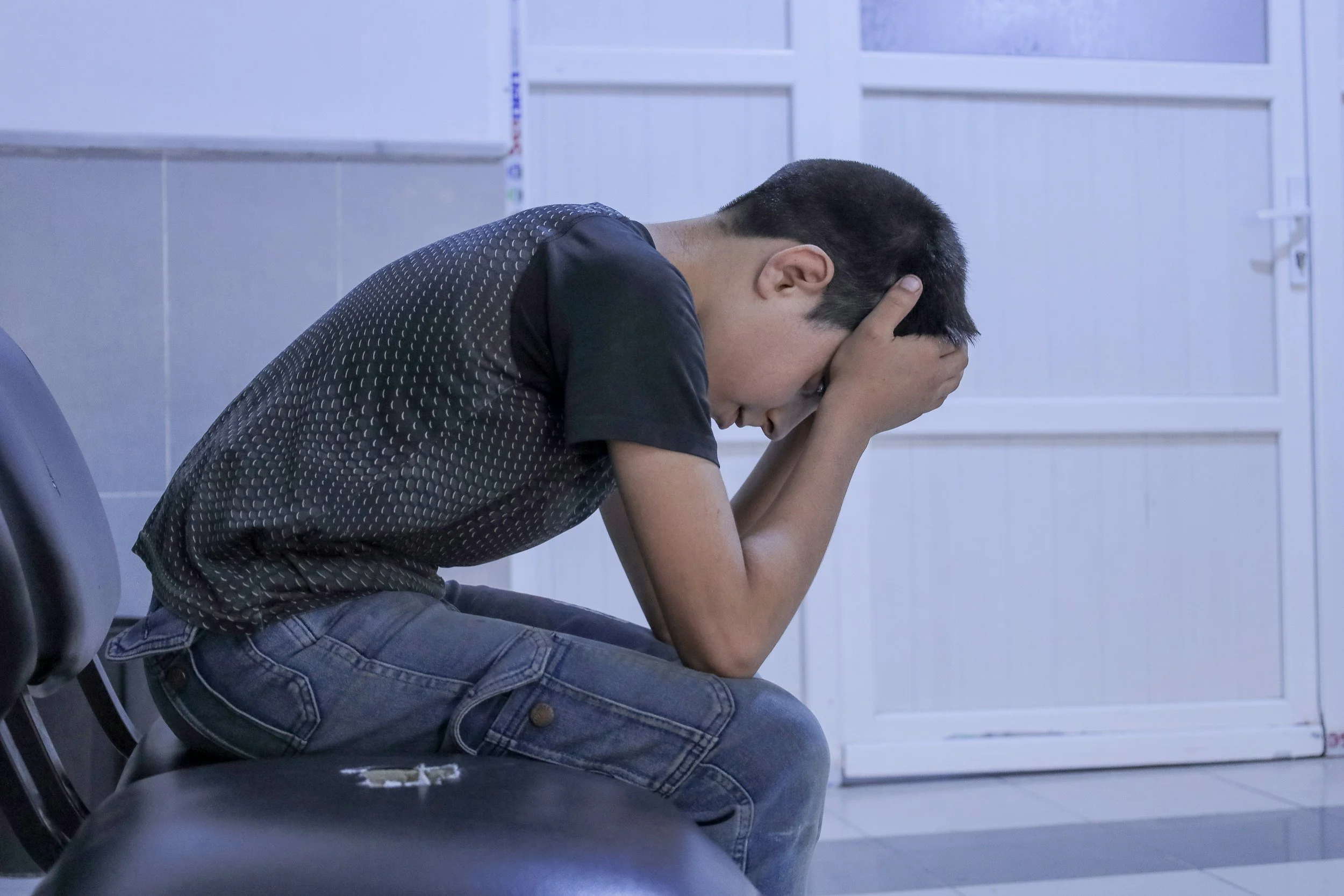
Your child is working on their homework when they make a mistake. They erase their answer, try again, and become increasingly frustrated. Eventually, they throw their pencil across the table and announce, “I'm so stupid! I hate myself!”
For a parent, hearing your child speak about themselves this way can be heartbreaking. You know how wonderful, capable, and deserving of love they are, and the thought that they might see themselves so differently can be incredibly painful.
Naturally, you want to intervene.
“Don't say that about yourself! You're not stupid!”
“You're so smart! Look at all the things you're good at!”
“Why would you say you hate yourself? That's such a terrible thing to say!”
But instead of feeling reassured, your child becomes even more upset. They insist that they really are stupid, that they can't do anything right, and that everyone else is better than them.
Now you're not just worried about the homework. You're worried about what your child thinks of themselves, whether you've somehow failed to help them develop confidence, and what it might mean that they're using such harsh language.
Before we can help children develop a healthier relationship with themselves, we need to understand what they might be communicating.
What Does “I Hate Myself” Actually Mean?
Children are still developing the ability to recognize, understand, and communicate their emotional experiences. When they're overwhelmed, they don't always have access to the words that would most accurately describe what they're feeling.
A child who says, “I'm stupid,” after struggling with homework might actually be communicating, I'm frustrated that I can't figure this out.
A child who announces, “I'm the worst kid in the world,” after getting in trouble might be expressing shame, embarrassment, or fear that they've disappointed someone important to them.
And a child who says, “I hate myself,” after making a mistake might be experiencing such an intense feeling of disappointment that they're struggling to separate what happened from who they are.
These distinctions matter.
There's a difference between believing that something you did was wrong and believing that something is wrong with you as a person. Children who struggle with self-esteem may have difficulty making that distinction, particularly when they're experiencing strong emotions.
Instead of thinking, I made a mistake, they think, I'm a failure.
Instead of thinking, I did something unkind, they think, I'm a bad person.
And instead of recognizing that they're having a difficult moment, they may begin to believe that they are fundamentally inadequate.
Of course, we shouldn't automatically assume that every statement of self-hatred is simply an exaggerated expression of frustration. Sometimes these statements reflect more persistent feelings of worthlessness, depression, or emotional distress. Statements about wanting to die, disappear permanently, or hurt oneself deserve direct attention and assessment, even when they occur during an argument or tantrum.
But understanding the emotional context of a child's words is an important starting point.
Why Reassurance Doesn't Always Help
When children make negative statements about themselves, adults often respond by immediately contradicting them.
We tell them they're smart, talented, beautiful, kind, and loved. We remind them of their accomplishments and list all the reasons they shouldn't feel the way they do.
I completely understand this response. It's difficult to sit with the possibility that your child might genuinely believe something so painful about themselves.
But imagine that you're having a particularly difficult day at work. You made a mistake, you're embarrassed, and you tell your partner, “I feel like I'm terrible at my job.”
Your partner immediately responds, “That's ridiculous! You're amazing at your job! Remember that project you finished last month?”
They mean well, but you might feel as though they haven't really heard you.
You weren't necessarily asking for an evaluation of your professional competence. You were trying to communicate that you felt embarrassed, frustrated, or disappointed in yourself.
Children can have a similar experience.
When we immediately contradict their negative statements, we may unintentionally turn an emotional expression into an argument about whether the statement is true.
Your child says they're stupid. You insist they're smart. They respond by listing all the things they can't do. You start listing their accomplishments.
Now you're debating your child's intelligence instead of acknowledging how frustrated they feel.
In child-centered play therapy, we often respond to these moments by reflecting the feeling underneath the statement rather than evaluating whether the child's words are accurate.
“You're feeling really disappointed in yourself.”
“You worked so hard on that, and you're frustrated that it didn't turn out the way you wanted.”
“You're having a hard time seeing anything good about yourself right now.”
These responses don't confirm that the child is stupid, worthless, or unlovable. They communicate that we're listening and trying to understand their experience.
And sometimes, feeling understood is what allows a child to begin moving through an emotion rather than becoming increasingly overwhelmed by it.
When Parents Become Frightened
I think one of the most difficult parts of hearing a child speak negatively about themselves is managing our own emotional response.
As parents, we're deeply invested in our children's well-being. When our child says something like “I hate myself,” it can trigger an immediate sense of alarm.
We may begin worrying about their mental health, their future, whether they're being bullied, or whether we've done something to contribute to how they're feeling.
Sometimes we feel frightened. Sometimes we feel guilty. Sometimes we become frustrated because we can't understand why our child would say something so hurtful about themselves.
And sometimes those feelings come out in the way we respond.
“Don't ever say that again!”
“How could you think that about yourself?”
“You have so much to be grateful for!”
The problem is that children are remarkably sensitive to the emotional reactions of the adults around them.
If a child expresses something painful and sees that their parent becomes frightened, overwhelmed, or upset, they may begin to feel responsible for managing that reaction.
Some children become even more distressed. Others may learn to keep their negative feelings to themselves because they don't want to worry their parents.
Neither response helps children develop a greater capacity to understand and express their emotions.
This doesn't mean parents need to be perfectly calm all the time. It means recognizing that our own fear can sometimes make it harder to hear what our child is trying to communicate.
When your child says something upsetting about themselves, notice what happens inside you before responding.
Maybe your stomach drops. Maybe you feel an urgent need to reassure them. Maybe you immediately start imagining the worst possible explanation.
Those reactions are understandable, but they don't necessarily tell you what your child needs in that moment.
You can be concerned without communicating panic. You can take your child's words seriously without making them responsible for reassuring you.
Sometimes the most helpful thing you can do is remain emotionally available while you try to understand what they're experiencing.
What This Can Look Like in Play Therapy
Children don't always communicate their feelings about themselves through direct statements.
In the playroom, concerns about self-worth may emerge through the way children approach challenges, respond to mistakes, or interact with the therapist.
Some children are extraordinarily concerned about doing everything correctly. They repeatedly ask whether their drawings look good, become frustrated when a project doesn't turn out exactly as planned, or abandon an activity as soon as they encounter difficulty.
Others may criticize themselves openly.
“This is ugly.”
“I can't do anything.”
“I'm terrible at this.”
Sometimes these feelings emerge symbolically through play. A child might repeatedly create characters who are rejected, punished, defeated, or unable to succeed. Another might become intensely frustrated when a tower collapses or a toy doesn't work the way they expected.
None of these behaviors, by themselves, tells us exactly what a child believes about themselves. Children's play is complex, and it's important not to assign a fixed meaning to a particular toy, character, or play theme.
Instead, we pay attention to patterns, the child's emotional experience, and how these experiences unfold within the therapeutic relationship.
One of the things I appreciate about child-centered play therapy is that children have the opportunity to experience a relationship in which they aren't constantly being evaluated.
There are no grades in the playroom. There isn't a correct way to draw a picture or build a tower. Children don't have to produce something impressive or demonstrate a particular skill to receive the therapist's attention.
When a child says, “My drawing is terrible,” I don't need to convince them that it's beautiful.
I might say, “You really don't like how that turned out.”
If they become frustrated because their building keeps falling, I might reflect, “You worked so hard on that, and it keeps falling apart.”
And if they ask me whether I think they've done a good job, I may return that responsibility to them.
“You're wondering what I think about it.”
Or, “You worked hard on that, and you're trying to decide how you feel about it.”
The goal isn't to withhold encouragement or leave children feeling unsupported. It's to help them gradually develop their own sense of competence and self-worth rather than relying entirely on someone else's evaluation.
Over time, a child who once became devastated by every mistake may begin experimenting more freely. They might try something difficult without knowing whether they'll succeed. They may become more comfortable expressing frustration without immediately turning that frustration against themselves.
These changes can be meaningful signs of growing confidence and emotional flexibility.
Helping Children Separate Feelings From Identity
One of the most important things parents can do is help children recognize that their feelings, behaviors, and mistakes do not define who they are.
A child can make a poor decision without being a bad child.
They can struggle academically without being stupid.
They can feel embarrassed, ashamed, jealous, angry, or disappointed without those emotions making them unworthy of love and acceptance.
This is especially important when children are being corrected or disciplined.
Imagine your child hits their sibling during an argument. You intervene, separate them, and set a limit.
It's appropriate to communicate that hitting isn't acceptable. But there's an important difference between saying, “I know you’re upset, but your brother is not for hitting,” and “You're being such a mean kid.”
One addresses their emotional state and their behavior. The other makes a judgment about the child's character.
Children are still developing their understanding of themselves, and the messages they receive from important adults contribute to that process.
We want children to learn that they're responsible for their behavior while also understanding that making mistakes doesn't threaten their worth or their relationships.
That means holding limits without shaming them, acknowledging disappointment without making it a character flaw, and allowing children opportunities to repair mistakes.
It also means paying attention to the ways we talk about ourselves.
If children regularly hear adults calling themselves stupid, criticizing their appearance, or describing themselves as failures when something goes wrong, they may begin to adopt similar language.
We don't need to pretend that we never feel frustrated with ourselves. In fact, modeling a more compassionate response to mistakes can be incredibly valuable.
“I made a mistake, and I'm frustrated about it. I'll have to figure out how to fix it.”
“I was really disappointed with how that turned out, but I can try again.”
Children benefit from seeing that adults can experience disappointment without turning it into self-rejection.
When to Look More Closely
Although negative self-talk can occur during ordinary moments of frustration, there are situations where parents should seek additional support.
If your child frequently expresses hatred toward themselves, seems persistently sad or hopeless, withdraws from relationships, loses interest in activities they previously enjoyed, or becomes increasingly critical of themselves, it's important to explore what may be contributing to those feelings.
The same is true if you notice significant changes in sleep, appetite, school functioning, or behavior.
And if your child talks about wanting to die, not wanting to be alive, hurting themselves, or believing that others would be better off without them, those statements should always be taken seriously.
In these situations, it is appropriate to ask direct, calm questions about what your child means, including whether they've thought about hurting themselves or ending their life. Asking about suicide does not put the idea into a child's head. It helps adults understand whether immediate support is needed.
If there is concern about suicidal thoughts or self-harm, seek a prompt assessment from a qualified mental health professional. If your child may act on those thoughts or cannot be kept safe, stay with them, restrict access to potentially dangerous items, and seek emergency assistance.
Parents don't need to determine on their own whether a child's statements are developmentally typical expressions of frustration or signs of something more serious.
That's one of the reasons additional professional support can be valuable.
Helping Children Develop a Kinder Relationship With Themselves
Ultimately, our goal isn't to raise children who never feel disappointed in themselves.
Disappointment is part of learning. Frustration is part of developing new skills. Embarrassment, regret, and even shame are emotions children will encounter as they grow.
What matters is helping them develop the ability to experience those feelings without allowing them to define their entire sense of self.
We want children to understand that they can make mistakes and still be capable. They can disappoint someone and still be loved. They can struggle with something and still be worthy of respect.
And we want them to know that when they're having a particularly difficult time with themselves, they don't have to hide those feelings to protect the adults around them.
Sometimes that begins with a parent who can hear the words “I hate myself” without immediately trying to make them disappear.
A parent who can recognize the pain underneath those words, remain curious about what they mean, and communicate that difficult feelings are welcome, even when they're uncomfortable to hear.
For families seeking a child therapist in San Luis Obispo or parenting support on the Central Coast, child-centered play therapy offers children opportunities to explore difficult emotions, develop greater self-awareness, and experience acceptance within a supportive therapeutic relationship.
When children speak harshly about themselves, we don't have to agree with what they're saying. We also don't have to immediately convince them that they're wrong.
We can begin by helping them feel understood.
Because sometimes, before a child can begin to see themselves differently, they need to know that someone is willing to understand how they see themselves right now.
References
Axline, V. M. (1969). Play therapy. Ballantine Books.
Bratton, S. C., Landreth, G. L., Kellam, T., & Blackard, S. R. (2006). Child parent relationship therapy (CPRT) treatment manual: A 10-session filial therapy model for training parents. Routledge.
Landreth, G. L. (2012). Play therapy: The art of the relationship (3rd ed.). Routledge.
Ray, D. C. (2011). Advanced play therapy: Essential conditions, knowledge, and skills for child practice. Routledge.