Why one difficult friendship can shake a child's confidence
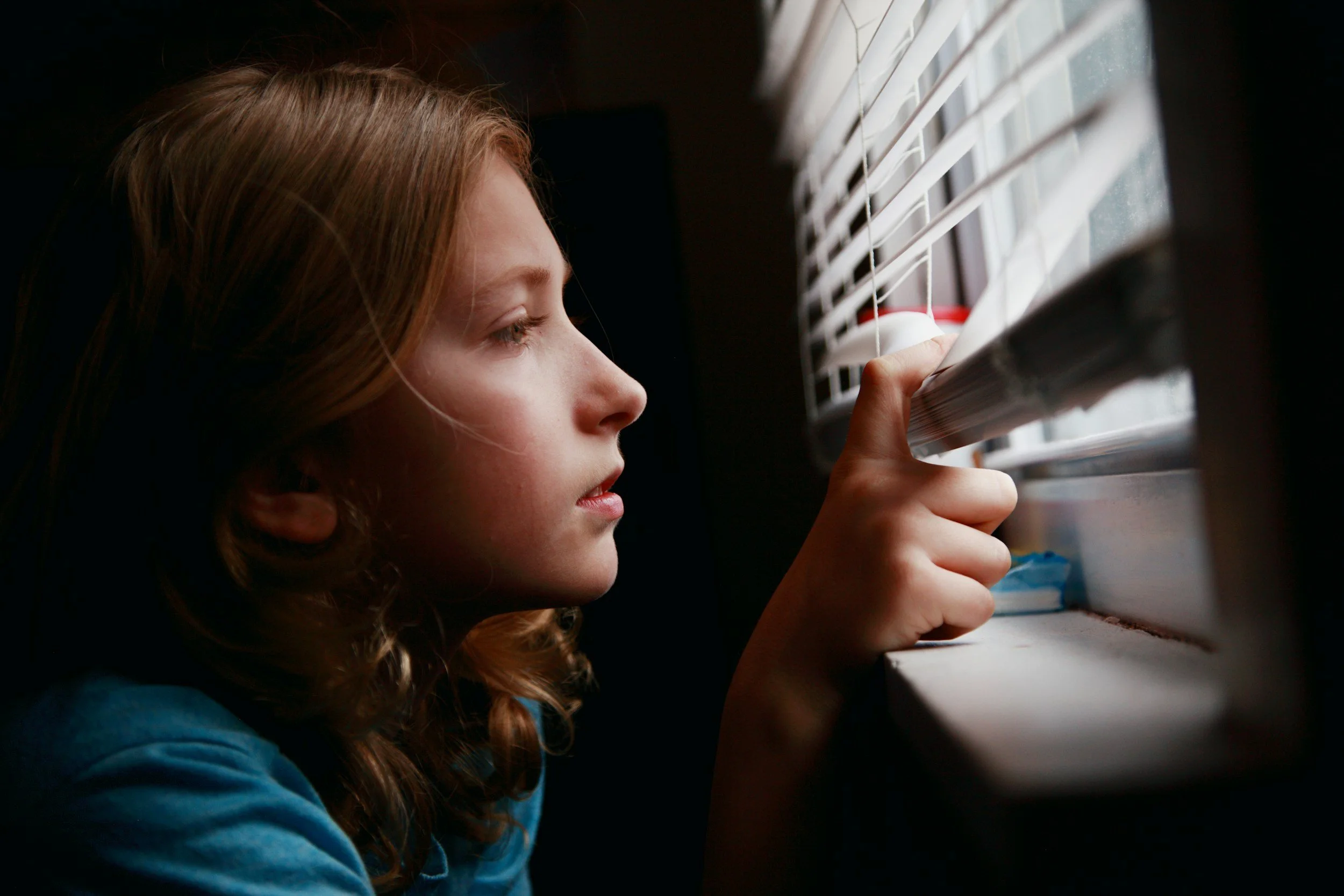
Your child comes home from school, throws their backpack on the floor, and announces, “Nobody likes me!”
Naturally, you're concerned. You ask what happened, expecting to hear about some enormous social catastrophe, only to discover that their best friend decided to play with someone else at recess.
You might feel a little relieved. After all, it doesn't sound like nobody likes your child. It sounds like one friend made a different choice for one recess period.
So you try to reassure them.
“Of course people like you! What about Emma? You played with her yesterday! And you had three friends at your birthday party last weekend!”
But your child isn't convinced. They insist that nobody wants to be their friend, everyone hates them, and they're never going back to school.
It can be frustrating to hear your child make such sweeping statements about themselves, particularly when you know they have friendships and plenty of positive social experiences. You might feel tempted to point out all the evidence that contradicts what they're saying.
The problem is that your child isn't necessarily trying to give you an accurate account of their social life. They're trying to communicate how painful that particular experience felt.
And sometimes, when children feel rejected by one person, it really does feel like they've been rejected by everyone.
When One Experience Becomes Everything
Children are still developing their understanding of themselves and their relationships with other people. As they grow, they gradually become better at recognizing that one difficult experience doesn't necessarily define an entire relationship, and that someone else's behavior isn't always a reflection of their own worth.
But this takes time, experience, and emotional maturity.
Think about what happens when a child asks their friend to play and the friend says no.
From an adult perspective, there could be a hundred explanations. Maybe the friend already promised to play with someone else. Maybe they're interested in a different game. Maybe they had an argument earlier in the day. Maybe they simply wanted to spend time with another person.
But your child may interpret the interaction very differently.
She doesn't want to play with me.
She must not like me anymore.
Maybe nobody likes me.
What began as one disappointing interaction has suddenly become a much larger judgment about who they are and whether they're worthy of friendship.
This is especially difficult for children who already struggle with self-esteem. When a child has a fairly secure sense of themselves, they're more likely to recognize that another person's behavior doesn't necessarily say anything about their own value. They can feel disappointed that a friend didn't want to play while still believing that they're someone other people enjoy spending time with.
For a child who already worries that they aren't good enough, however, a relatively ordinary social disappointment can seem to confirm something they've been afraid of all along.
And once that belief takes hold, they may begin paying much more attention to experiences that seem to support it.
Why Reassurance Doesn't Always Work
When children make negative statements about themselves, most parents instinctively want to correct them.
If your child says they're stupid, you remind them how smart they are. If they say they're ugly, you tell them they're beautiful. If they say nobody likes them, you start listing all their friends.
I completely understand this instinct. It's painful to hear your child speak about themselves in such a negative way, and you want them to see what you see.
But there's an important difference between reassuring a child that their belief is incorrect and helping them understand the feelings that led to that belief.
Imagine telling a friend that you're feeling really lonely. Instead of acknowledging how you're feeling, your friend starts listing everyone who cares about you and explaining why you shouldn't feel lonely.
They're probably trying to help, but you might leave that conversation feeling as though they didn't really understand what you were trying to tell them.
Children can have a similar experience.
When your child says, “Nobody likes me,” and you respond with a list of people who do, they may feel compelled to defend their original statement.
“No! Emma doesn't like me anymore! And Sophie only plays with me sometimes!”
Now you're having a debate about the number of friends your child has instead of talking about the experience that hurt them.
This is where reflecting feelings can be incredibly useful.
Instead of trying to convince your child that they're wrong, you might say, “You really wanted to play with Emma today, and you felt disappointed when she chose to play with someone else.”
Or perhaps, “You felt really left out at recess today.”
You're not agreeing that nobody likes your child. You're acknowledging that something happened that made them feel unwanted.
And that's a feeling worth talking about.
Friendship Is Complicated
I think adults sometimes forget just how much children are learning when it comes to friendships.
We're so far removed from being children ourselves that we can underestimate how complicated these relationships can feel.
Children are learning how to initiate play, negotiate different ideas, compromise, manage disagreements, and understand that other people have their own preferences and needs.
They're also learning that friendships aren't always perfectly reciprocal.
Sometimes you want to play with someone who doesn't want to play with you. Sometimes your best friend wants to spend time with another friend. Sometimes someone says something unkind, and sometimes you're the one who says something unkind.
None of these experiences necessarily means that a friendship is over or that someone is a bad friend.
But children don't always have the experience or perspective to recognize that.
A child might believe that being best friends means always choosing each other. They may feel betrayed when their friend wants to include someone new or become jealous when their friend seems to enjoy another child's company.
These experiences can bring up some enormous feelings, particularly when belonging and acceptance are already important concerns for the child.
And while we might wish we could protect our children from these experiences, navigating disappointment and conflict is an important part of learning how relationships work.
Our job isn't to make sure our children never feel rejected. It's to help them develop the confidence and emotional skills to manage those experiences without allowing them to define their sense of self-worth.
When Your Child Feels Left Out
Let's return to the child who comes home convinced that nobody likes them.
Once you've acknowledged their feelings, you may discover that they're much more willing to talk about what actually happened.
Maybe they tell you that Emma has been playing with another girl all week. Maybe they tried to join the game but were told there wasn't room for another person. Maybe this isn't the first time they've felt excluded.
At this point, it can be tempting to jump into problem-solving.
You might suggest that they play with someone else, tell their friend how they feel, or ask the teacher to help.
Those may all be reasonable options, but I would encourage parents not to rush into fixing the situation before giving their child an opportunity to think about it themselves.
Children are often much more capable of solving their own problems than we give them credit for.
You might say, “You've really been missing the time you used to spend with Emma. You're trying to figure out what to do about that.”
Then give them some space to think.
Perhaps they'll decide to invite Emma over for a playdate. Maybe they'll realize there's another child they'd like to get to know better. Maybe they'll decide to tell Emma that they've been feeling left out.
And sometimes they won't have an answer right away.
That's okay, too.
In child-centered play therapy, we often talk about returning responsibility to the child. This doesn't mean abandoning children when they're struggling or expecting them to solve problems that are beyond their developmental abilities. It means recognizing that children develop confidence by having opportunities to make decisions, experiment with solutions, and discover that they're capable of handling difficult experiences.
When adults immediately step in to resolve every social disappointment, children may begin to believe that these situations are too difficult for them to manage independently.
But when we offer emotional support while allowing them to participate in finding solutions, we're communicating something different.
This is hard, and I believe you're capable of figuring out what to do.
When It Might Be More Than a Bad Day
Of course, not every experience of social rejection is an ordinary childhood disappointment.
There is an important difference between a friend choosing to play with someone else and a child being repeatedly excluded, humiliated, threatened, or bullied.
If your child frequently comes home feeling unwanted, seems increasingly anxious about school, or begins withdrawing from activities and relationships they previously enjoyed, it's worth looking more closely at what's happening.
You might notice changes in their mood, sleep, appetite, or willingness to attend school. They may become unusually critical of themselves or start expressing the belief that something is fundamentally wrong with them.
In these situations, children may need more direct adult support. That could involve communicating with their teacher, addressing bullying or exclusion, helping them access more supportive peer relationships, or seeking additional mental health support.
We don't want to dismiss genuine mistreatment as something a child simply needs to learn to handle.
At the same time, we don't want to interpret every disappointing social interaction as evidence that a friendship is unhealthy.
Part of supporting children is helping them gradually distinguish between ordinary conflict, differences in preferences, and relationships in which they are consistently treated poorly.
Building a Sense of Worth That Doesn't Depend on Others
One of the most important things we can do for children is help them develop a sense of self-worth that isn't entirely dependent on how other people respond to them.
We all want to feel liked and accepted. Belonging is an important human need, and social rejection can be genuinely painful at any age.
But there's a difference between wanting someone to like you and believing that you have no value unless they do.
Children who struggle with self-esteem may become particularly sensitive to other people's reactions. They might work very hard to please their friends, avoid expressing disagreement, or go along with activities they don't enjoy because they're afraid someone will stop liking them.
Some children become so focused on maintaining friendships that they begin overlooking their own preferences and needs.
This is one of the areas where child-centered play therapy can be especially meaningful.
In the playroom, children have the opportunity to experience a relationship in which they are accepted without having to earn that acceptance through their behavior, accomplishments, or ability to please another person.
They can make choices, express frustration, disagree, and explore different ways of interacting with someone who remains consistently accepting of them.
Over time, these experiences can help children develop a stronger sense of themselves and greater confidence in their ability to navigate relationships.
Rather than relying entirely on whether someone else wants to play with them that day, they can begin developing an understanding that their value doesn't disappear when another person makes a different choice.
Helping Children See the Bigger Picture
When your child tells you that nobody likes them, you don't have to convince them that everyone does.
In fact, that isn't really the goal.
Not everyone is going to like your child. Just as your child won't like everyone they meet. Sometimes friendships change, people grow apart, and relationships don't work out the way we hoped.
Those experiences can be disappointing and painful, but they don't have to become judgments about who we are.
What we want children to understand is that they can feel rejected without being fundamentally unlikable. They can lose a friendship without losing their worth. They can have a difficult day at school without deciding that every relationship in their life is falling apart.
And sometimes the first step toward developing that perspective is simply having an adult who is willing to acknowledge how much something hurt.
So the next time your child comes home and announces that nobody likes them, resist the urge to immediately start listing all the reasons they're wrong.
Instead, try listening to what they're really telling you.
Because underneath “Nobody likes me,” there may be a child saying, I felt really unwanted today, and I need someone to understand how much that hurt.
For families seeking a child therapist in San Luis Obispo or parenting support on the Central Coast, child-centered play therapy can help children develop greater self-esteem, emotional awareness, and confidence in navigating friendships and other important relationships.
Children don't need everyone to like them.
They need to know that they're still worthy of love and belonging when someone doesn't.
References
Bagwell, C. L., & Schmidt, M. E. (2011). Friendships in childhood and adolescence. Guilford Press.
Bukowski, W. M., Laursen, B., & Rubin, K. H. (Eds.). (2018). Handbook of peer interactions, relationships, and groups (2nd ed.). Guilford Press.
Landreth, G. L. (2012). Play therapy: The art of the relationship (3rd ed.). Routledge.
Rubin, K. H., Bukowski, W. M., & Parker, J. G. (2006). Peer interactions, relationships, and groups. In N. Eisenberg (Ed.), Handbook of child psychology: Vol. 3. Social, emotional, and personality development (6th ed., pp. 571–645). Wiley.