Connection Before Correction
Building Emotional Safety for Better Cooperation
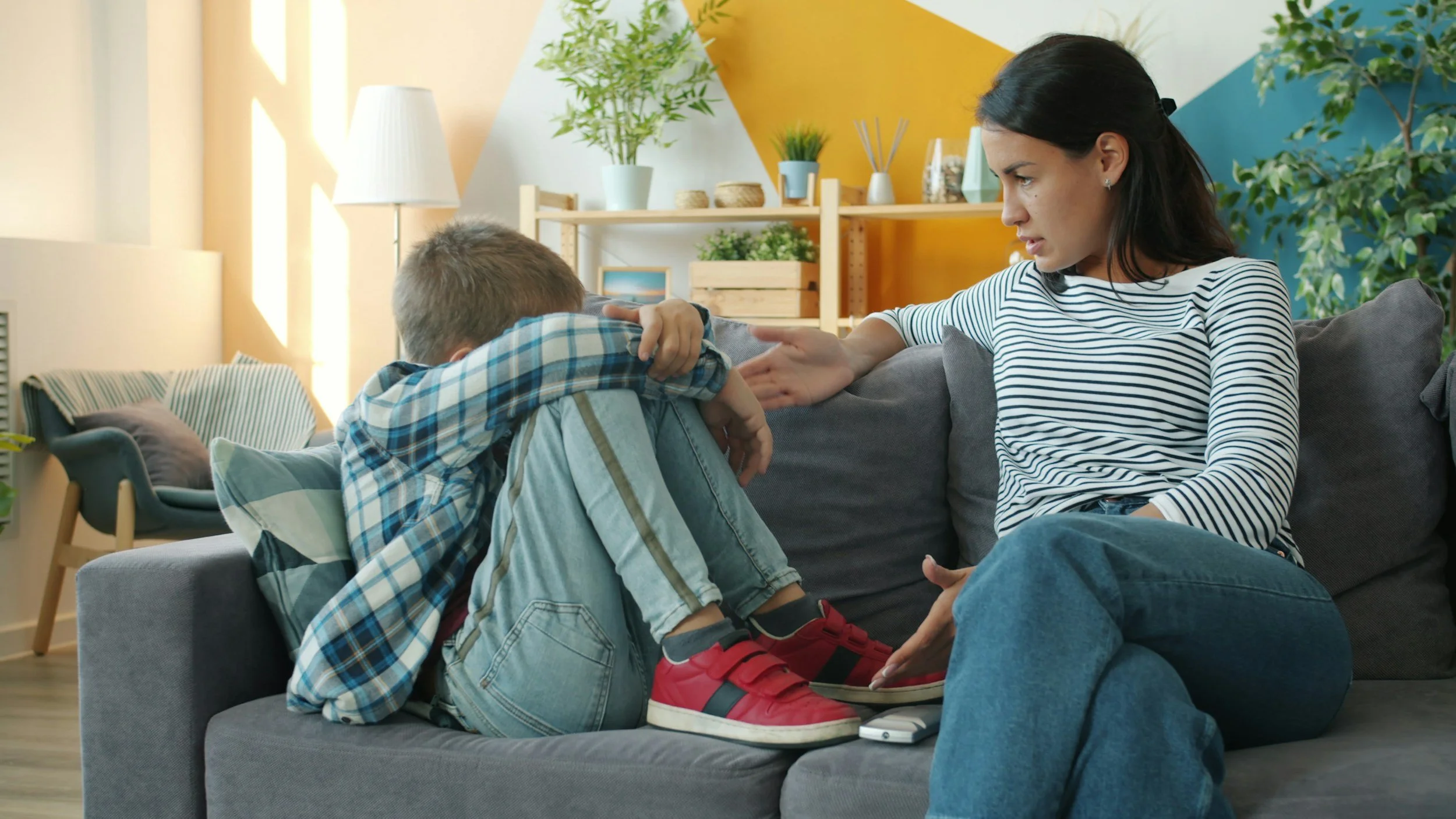
When children act out, resist or struggle with limits it is easy for parents to want to jump straight into correcting behavior. But research shows that children learn, cooperate and regulate their emotions best when they feel emotionally safe and connected first. Emotional connection forms a foundation of trust and security that allows children to hear guidance, develop self regulation, and build cooperation.
Why Connection Matters for Children
Strong emotional connection with a caregiver gives a child a sense of safety. When a child feels understood, valued and supported they are more open to learning, following guidance, and trying again after a mistake. Research on positive parenting shows that sensitive, responsive parenting helps children manage their feelings and behavior and develop self confidence. Children with secure emotional bonds are better able to face stress and adapt to challenges.
Building emotional safety before addressing behavior also aligns with research on emotion regulation and prosocial behavior. When parents communicate warmth, consistency and support children develop stronger emotional regulation skills and show more cooperation with others. Families with high quality support and communication see children have better emotional balance and social success.
How Emotional Connection Improves Behavior and Learning
Connection before correction works because of how a child’s brain responds to emotional safety. When children feel understood and safe their nervous system relaxes. This makes it easier for them to reflect, think and make better choices. In contrast when children feel threatened their stress response becomes activated and reasoning parts of the brain are less accessible. Correction in that moment may feel like punishment and lead to defensiveness or shutdown rather than cooperation.
In educational and family settings, emotionally attuned interactions improve behavior, emotional expression and school readiness. Practices that prioritize empathy and connection support learning because the child feels secure enough to explore, take risks and work through challenges.
What Connection Looks Like in Everyday Parenting
Connection is not about letting children do whatever they want. It means showing that you see their feelings, understand their experience and stand with them while also setting clear expectations. Here are strategies that build connection in real life:
Reflect Feelings Back to Your Child
Instead of focusing on the behavior first say something like, “You seem frustrated right now.” Naming their emotional experience helps them feel understood and often reduces resistance.Use Calm Presence to Support Regulation
When emotions are running high pause and respond with calm voice and composed energy. Children learn to regulate when they feel steady support from you.Engage in Child Led Interaction
During play or daily routines follow your child’s lead at times. This builds trust and shows that you value their interests and ideas.Offer Physical and Verbal Reassurance
A hug, a gentle hand on the shoulder, or a few kind words can communicate safety in moments when correction might otherwise feel threatening.
Connecting in these ways tells your child “I am on your side.” Once a child feels safe and regulated you can introduce guidance, problem solving and boundaries with greater cooperation.
When to Seek Support from a Child Therapist
Most families can build connection and reduce power struggles with consistent practice. However if your child frequently struggles with emotional regulation, intense reactions, or patterns of resistance that interfere with school or relationships, it may help to work with a professional.
A child therapist in San Luis Obispo can help your child learn emotional skills and help parents refine responsive strategies. Therapy provides a safe space for children to explore emotions and practice regulation. It also supports parents with personalized tools for strengthening connection and addressing behavior in a way that promotes long term emotional health.
References
National Institutes of Health. (2017). Positive parenting. NIH News in Health. https://newsinhealth.nih.gov/2017/09/positive-parenting
Frontiers in Public Health. (2024). Positive discipline group intervention improves parenting self efficacy. Frontiers. https://www.frontiersin.org/journals/public-health/articles/10.3389/fpubh.2024.1461435/full
Frontiers in Child and Adolescent Psychiatry. (2023). Mother-child emotional preparation improves emotional connection and behavior regulation. https://www.frontiersin.org/journals/child-and-adolescent-psychiatry/articles/10.3389/frcha.2023.1232515/full
Jaclyn Lim Clinical Psychology Clinic. (n.d.). Why connection comes before correction in parenting. https://jaclynlimpsychology.com/why-connection-comes-before-correction-in-parenting/
BMC Psychology. (2025). Parental co-parenting, children’s emotion regulation, and prosocial behavior. https://bmcpsychology.biomedcentral.com/articles/10.1186/s40359-025-02947-y