Building Real Self-Esteem
How children develop confidence
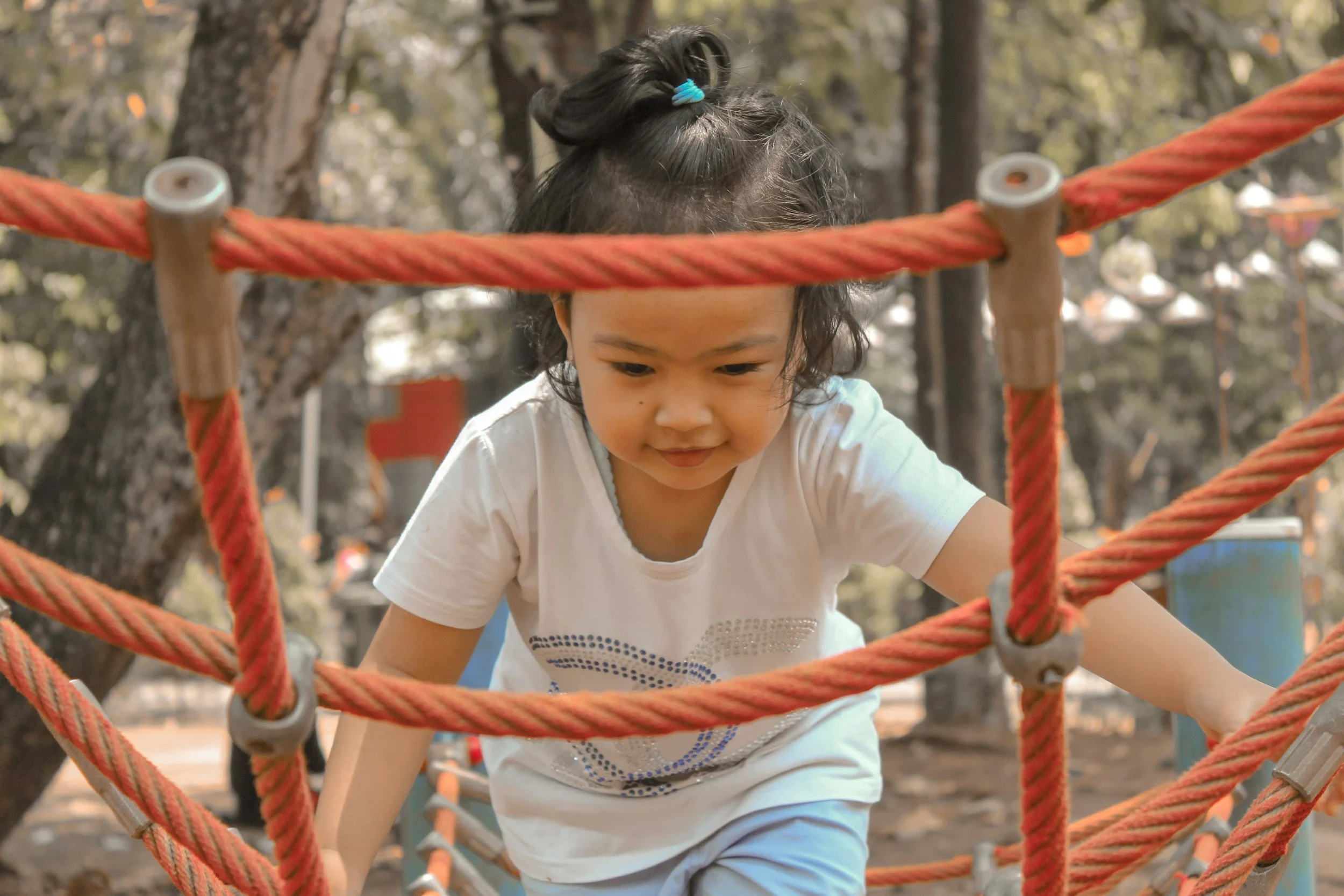
Many parents worry about their child’s self-esteem. They notice self-doubt, frustration, big reactions to mistakes, or a child who gives up quickly and wonder how to help them feel more confident. What often surprises parents is that self-esteem does not grow from praise, reassurance, or fixing things for a child. It grows from being trusted, noticed, and allowed to struggle safely.
Self-Esteem Is Built From the Inside Out
Self-esteem is not about thinking you are the best or hearing that you are doing great all the time. True self-esteem comes from a child’s internal belief that they are capable, worthy, and able to handle challenges. This belief develops through experience, not instruction.
Children build self-esteem when they are given opportunities to try, fail, feel frustrated, and try again with a supportive adult nearby. When adults rush in to solve problems, correct emotions, or redirect discomfort, children miss the chance to discover what they can do on their own.
Why Praise Often Misses the Mark
Praise is well intentioned, but it can unintentionally shift a child’s focus outward. When children hear constant evaluations like “good job” or “you’re so smart,” they begin to rely on external feedback to determine their worth. Over time, this can increase anxiety and perfectionism and decrease resilience.
Encouragement works differently. Encouragement focuses on effort, persistence, and problem solving. It communicates trust rather than judgment. Statements like “You kept working on that,” or “You figured it out,” help children internalize a sense of competence. They learn to ask themselves how they feel about their work instead of waiting for approval.
The Role of Struggle in Healthy Development
Struggle is not a sign that something is wrong. It is a necessary part of learning. When children are allowed to experience frustration without being rescued, they learn that uncomfortable feelings are tolerable and temporary. This is a foundational skill for emotional regulation.
Many children who appear to have low self-esteem are actually children who have not been given enough chances to struggle safely. They may seem dependent, rigid, or easily overwhelmed because they have learned that adults will step in before they can work through difficulty themselves.
Letting children struggle does not mean leaving them alone. It means staying emotionally present while resisting the urge to take over.
Being Noticed Is Powerful
One of the most overlooked ways self-esteem develops is through being noticed. When adults accurately observe and reflect what a child is doing, feeling, or trying, the child feels seen and understood. This kind of attention builds a stable sense of self.
Noticing sounds simple, but it is different from praise. Saying “You are stacking the blocks very carefully,” or “You look frustrated that it fell,” helps children organize their inner experience. Over time, this strengthens emotional awareness and confidence.
Many children who come to therapy struggle with self-esteem not because they lack ability, but because they have not consistently felt noticed in a way that helps them understand themselves.
How Play Therapy Supports Self-Esteem
In child-centered play therapy, self-esteem is not taught. It is allowed to grow. The playroom offers children freedom within safety, choice within limits, and a relationship grounded in acceptance.
Children lead the play. They make decisions. They experience power, frustration, mastery, and repair. The therapist does not direct or evaluate but stays attuned and emotionally responsive. This environment sends a consistent message: you are capable, you matter, and you can trust yourself.
As children solve problems in play, regulate big feelings, and experiment with new ways of being, their self-esteem strengthens naturally. These changes often appear in play before parents see them at home or school.
What Parents Can Do at Home
You do not need to replicate play therapy at home to support your child’s self-esteem. Small shifts in everyday interactions can make a meaningful difference.
Try noticing more and fixing less. Reflect what you see and feel rather than rushing to solutions. Offer encouragement instead of praise. Allow space for frustration while staying emotionally available.
Most importantly, communicate trust. When children sense that adults believe in their ability to handle challenges, they begin to believe it too.
When Extra Support Helps
If your child struggles with persistent self-doubt, emotional overwhelm, behavioral challenges, or difficulty coping with everyday stressors, play therapy can provide a developmentally appropriate space for growth. A trained child therapist offers both the relationship and the structure needed for self-esteem to develop from the inside out.
If you are looking for a child therapist, play therapist, or family therapist in San Luis Obispo or on the Central Coast, working with a clinician trained in child-centered play therapy can be a powerful step toward helping your child feel more confident, capable, and secure.
Self-esteem is not built by telling children who they are. It is built by giving them the experience of discovering it for themselves.
References
Axline, V. M. (1947). Play therapy: The inner dynamics of childhood. Houghton Mifflin.
Bratton, S. C., Ray, D. C., Rhine, T., & Jones, L. (2005). The efficacy of play therapy with children: A meta-analytic review of treatment outcomes. Professional Psychology: Research and Practice, 36(4), 376–390. https://doi.org/10.1037/0735-7028.36.4.376
Landreth, G. L. (2012). Play therapy: The art of the relationship (3rd ed.). Routledge.
Ray, D. C. (2011). Advanced play therapy: Essential conditions, knowledge, and skills for child practice. Routledge.
Rogers, C. R. (1951). Client-centered therapy: Its current practice, implications, and theory. Houghton Mifflin.
Whitebread, D., Basilio, M., Kuvalja, M., & Verma, M. (2012). The importance of play: A report on the value of children’s play with a series of policy recommendations. Toy Industries of Europe.