What to Do When You Just Don’t Want to Play
Promoting Connection and Emotional Health
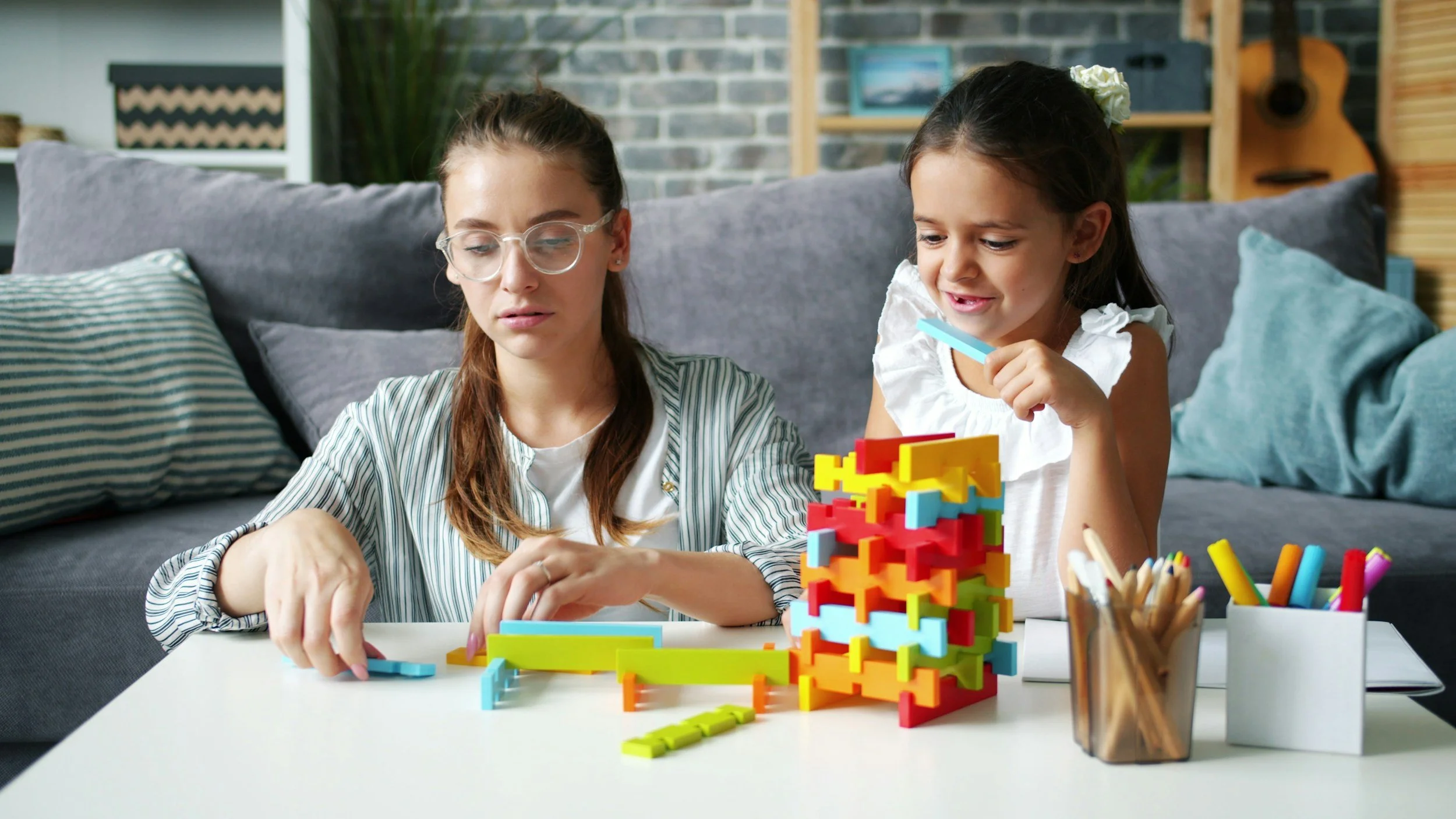
Play is often celebrated as the foundation of childhood. It supports learning, emotional growth, creativity, and connection. Yet it is common for parents to sometimes feel resistant, tired, or flat out uninterested in play, especially after a long day, a stressful week, or when a child repeatedly demands attention. These feelings do not make you a bad parent. They are a meaningful part of the emotional experience of caregiving. How we acknowledge and respond to those feelings matters for both parent and child emotional health.
This post explores how to support connection with your child even when you do not feel like playing, why play is important for children’s development, and practical strategies that help preserve the parent child relationship when energy is low.
Why Play Matters for Kids
Play is not just fun. For children, play is a natural way to:
Practice emotional expression and self-regulation
Strengthen social skills and cooperation
Build problem-solving and creative thinking
Learn autonomy and confidence
Research shows that play supports healthy brain development, enriches language skills, and enhances emotional resilience. Children learn through experience and experimentation, and play provides that safe space. Play also promotes emotional connection to caregivers, which supports overall well-being.
Child centered play in particular, where the child leads and the adult follows, has been found to improve communication, emotional security, and behavioral outcomes. It lets children explore feelings they may not be able to articulate with words.
When Parents Do Not Want to Play
It is completely normal to feel resistant to play sometimes. Parents are juggling work, household tasks, emotional demands, and stressors. Tiredness, distraction, or feeling emotionally depleted can reduce the appeal of play. What matters is how we respond to those feelings in ways that preserve connection.
Parents who reject or avoid play entirely risk communicating emotional unavailability, even when unintentional. This can contribute to withdrawal, acting out, or attention seeking from children. Research on attachment and emotional regulation shows that consistent, responsive caregiver presence supports children’s sense of safety and ability to manage emotions.
Rather than forcing play when you are depleted, there are ways to stay emotionally present without exhaustive involvement.
Practical Strategies to Support Connection Without Exhaustion
1. Use Short, Meaningful Interactions
You do not need to commit to long play sessions to be emotionally available. Even brief, focused eye contact, a shared laugh, or a few minutes of connection during an activity can communicate care and presence.
2. Follow the Child’s Lead When Possible
When children choose the play activity and the adult matches that energy gently, children feel heard. This type of responsive play feels less effortful because you follow your child’s cues rather than trying to invent activities.
3. Co-Regulate Before You Play
Sometimes children want connection because they are overwhelmed or frustrated. In these moments, focus on emotional attunement first. Use calm voice, validate feelings, and help children regulate before asking them to engage in play.
4. Build Play Into Everyday Tasks
Play does not have to come from a separate box of toys. You can incorporate play into daily routines like bath time, cooking, or tidying up. Singing, making up stories, or imaginative narrative during ordinary moments strengthens connection.
5. Share Restful Presence
Sometimes children need your body in the room more than your active participation. Reading beside each other, or playing quietly while you attend to low-stress tasks, provides connection without emotional depletion.
Play, Emotional Regulation, and Behavior
Children who feel emotionally connected to caregivers show better emotional regulation, social skills, and behavior. When children feel understood and supported, they are less likely to express distress through acting out. Play supports the development of the prefrontal cortex, which governs decision-making, impulse control, and emotional balance.
If children repeatedly struggle with intense emotional reactions, withdrawal, or peer or school challenges, these may be signs they need additional support. In such cases, child therapy in San Luis Obispo can offer structured approaches to help children understand and manage their emotions more effectively.
When to Consider Professional Support
You might want to consider talking with a child therapist or play therapist if:
Your child’s distress or outbursts are frequent or prolonged
Emotional or behavioral challenges persist despite consistent support
Your child avoids social interaction or shows anxiety during play
You find it overwhelmingly difficult to support labeled or strong emotions
Therapy provides a space for children to explore feelings through play with a trained professional and supports parents in fostering connection at home. Play therapy in particular allows children to express what may be too big or complex to put into words.
References
Child Mind Institute. (n.d.). The importance of play in child development. https://childmind.org/article/the-importance-of-play-in-child-development/
Ginsburg, K. R. (2007). The importance of play in promoting healthy child development and maintaining strong parent-child bonds. Pediatrics, 119(1), 182-191. https://doi.org/10.1542/peds.2006-2697
National Institute for Play. (n.d.). The science of play. https://nifplay.org/play-science/summary-of-key-findings/
Panksepp, J. (2008). Play, ADHD, and the construction of the social brain. American Journal of Play, 1(1), 55-79.
UNICEF. (n.d.). Child’s play: The role of play in early childhood development. https://www.unicef.org/early-childhood-development/childs-play