The Back-to-School Pendulum
Why kids may seem less regulated before they settle in
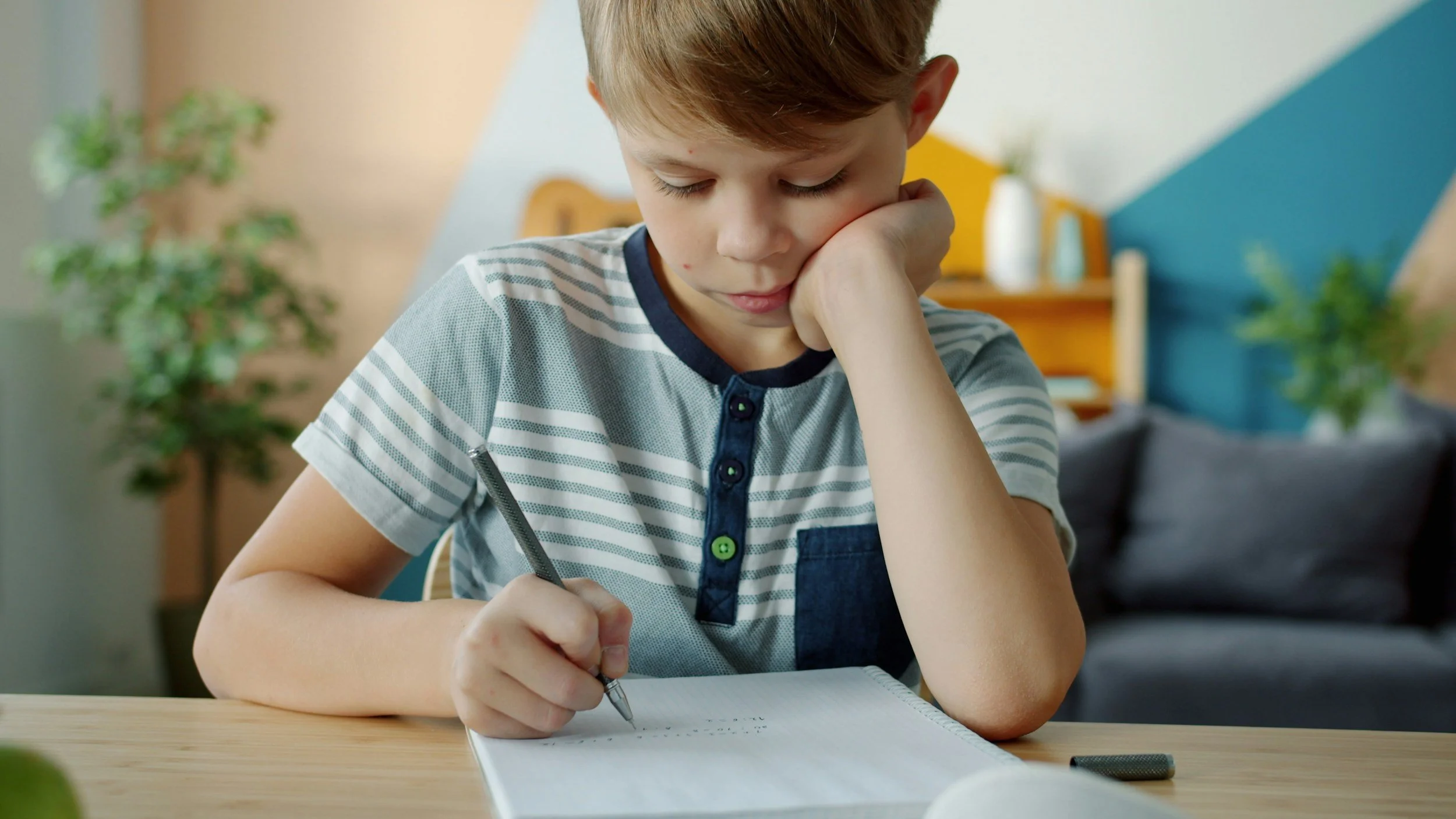
The start of a new school year can feel exciting. There are new teachers, new classrooms, new routines, and the promise of a fresh start. But even children who are looking forward to going back to school can have a surprisingly difficult time adjusting.
You might notice more meltdowns over small things. Your child may suddenly become clingy at bedtime, argue about routines that were not a problem a few weeks ago, or seem exhausted and irritable after school. A child who had been fairly independent all summer might start asking for more help or reassurance.
For parents, it can feel like something is going backward.
As a child therapist in San Luis Obispo, I often encourage parents to think about these changes differently. A temporary increase in big feelings or difficult behavior does not necessarily mean a child is losing progress. Sometimes children become less regulated while they are adapting to something new.
Transitions Take Work
Going back to school requires children to adjust to much more than a different daily schedule.
Suddenly, they are navigating separation from caregivers, classroom expectations, friendships, academic demands, transitions between activities, new adults, and significantly less control over how they spend their time.
Even positive change requires adjustment.
During summer, children may have had more flexibility about when they eat, play, rest, or spend time with their families. School asks them to move through a highly structured environment for hours at a time.
That takes emotional energy.
When children are using more of their resources to manage school, they may temporarily have fewer resources available for everything else.
Why Kids Fall Apart at Home
One of the most confusing things for parents is hearing that their child is doing wonderfully at school and then seeing a completely different child walk through the front door.
Their teacher describes them as cooperative and cheerful. At home, putting shoes away somehow results in tears.
This does not necessarily mean your child is choosing to behave better for their teacher than for you.
Children often work very hard to regulate themselves in environments with significant expectations. They follow directions, navigate peers, tolerate frustration, sit when they would rather move, and manage feelings without always having the opportunity to fully express them.
Then they come home.
For many children, home is where they feel safe enough to release some of what they have been holding together all day.
From a child-centered perspective, behavior is communication. Instead of only asking, “How do I stop this behavior?” we can also ask, “What might my child be communicating right now?”
Sometimes the answer is simply: That was a lot.
The Pendulum Has to Swing
In child-centered play therapy, I often think about regulation as something that develops through experience rather than something adults can simply teach or demand.
Children sometimes need the freedom to move toward the opposite end of what has been required of them before they can find their center.
A child who has spent six hours following directions may desperately want to be in charge when they get home. A child who has worked hard to stay composed may become emotionally messy. A child who has managed separation successfully all day may suddenly want to be right next to a parent.
The goal is not for children to stay perfectly centered all the time.
The goal is for them to gradually become better at finding their way back.
Connection Before Correction
When children are dysregulated, adults naturally want to solve the problem. We explain why school is important, remind them that they had a good day yesterday, or start offering solutions.
But a child who is overwhelmed may need understanding before problem solving.
Sometimes a simple response such as, “You really wanted to be done with people today,” or “It feels good to finally be home,” communicates more than a long explanation.
This is one of the foundations of child-centered play therapy. Feelings do not have to be fixed before they can be accepted.
When children feel understood, the intensity of those feelings often begins to decrease. They can then access the parts of themselves that are better able to problem solve, tolerate disappointment, and adapt.
Give Them Somewhere to Land
Back-to-school season can also be a good time to temporarily reduce unnecessary demands after school.
That does not mean eliminating expectations or allowing children to do whatever they want. Children benefit from predictable routines and consistent limits, particularly during periods of change.
But consider whether your child needs a little space between school and the next demand.
Some children need movement. Others want a snack and quiet time. Some want to talk immediately, while others need to reconnect through play before they are ready to tell you anything about their day.
Following your child's cues can help you understand what allows their nervous system to settle.
Offering small choices can also restore an appropriate sense of control. “Do you want your snack at the table or outside?” is a very different experience from spending the afternoon negotiating every expectation.
The adult still holds the structure. The child gets meaningful freedom within it.
Regression Isn't Always Regression
Parents understandably worry when old behaviors suddenly return.
A child may want help with something they had been doing independently. Sleep may become harder. Separation anxiety may briefly return. Emotional reactions may become bigger.
During a significant transition, this does not automatically mean previous growth has disappeared.
Development is rarely a straight line. Children move forward, wobble, regroup, and move forward again.
Rather than immediately pushing a child back toward independence, it can be helpful to consider what additional reassurance or connection they need while they adjust. Supporting them through a temporary wobble does not erase the skills they have already developed.
Give the Transition Time
There is no universal timeline for adjusting to a new school year. Temperament, developmental stage, classroom environment, learning differences, previous school experiences, and changes happening elsewhere in a child's life can all affect how difficult the transition feels.
What matters more is the overall pattern.
If your child gradually begins settling into the new routine, recovering more easily after difficult moments, and returning to their usual level of functioning, they may simply have needed time to adjust.
If distress remains intense, continues to increase, or begins significantly interfering with school, friendships, sleep, family life, or activities your child usually enjoys, additional support may be helpful.
Working with a play therapist can give children a developmentally appropriate space to express experiences they may not yet know how to explain in words. For families seeking a child therapist in San Luis Obispo or parenting support on the Central Coast, therapy can also help parents better understand what their child's behavior may be communicating and how to support them through periods of change.
Back-to-school season asks a lot of children.
Sometimes the child who falls apart in the car after school is not showing you that they cannot handle school. They may be showing you just how hard they worked to handle it all day.
References
Landreth, G. L. (2012). Play Therapy: The Art of the Relationship (3rd ed.). Routledge.
Axline, V. M. (1969). Play Therapy. Ballantine Books.
Bratton, S. C., Landreth, G. L., Kellam, T., & Blackard, S. R. (2006). Child Parent Relationship Therapy (CPRT) Treatment Manual: A 10-Session Filial Therapy Model for Training Parents. Routledge.
Perry, B. D., & Szalavitz, M. (2017). The Boy Who Was Raised as a Dog: And Other Stories from a Child Psychiatrist's Notebook (3rd ed.). Basic Books.