The Power of Open-Ended Toys
How Play Builds Thinking, Creativity, and Emotional Skills
When we think of toys for children, many people first imagine fancy batteries, flashing lights, or structured games with rules. While those toys have their place, research consistently shows that open-ended toys are some of the best tools for supporting children’s development. Open-ended toys encourage imagination, problem solving, social play, and emotional expression. These kinds of toys help children learn at their own pace, follow their own interests, and build confidence.
As a child therapist and play therapist serving families in San Luis Obispo and the Central Coast, I see firsthand how open-ended play supports emotional development, behavior, and resilience. Whether children are playing alone or with others, open-ended toys invite them to think, create, and express themselves in ways that benefit both brain and emotional health.
What Makes a Toy “Open-Ended”?
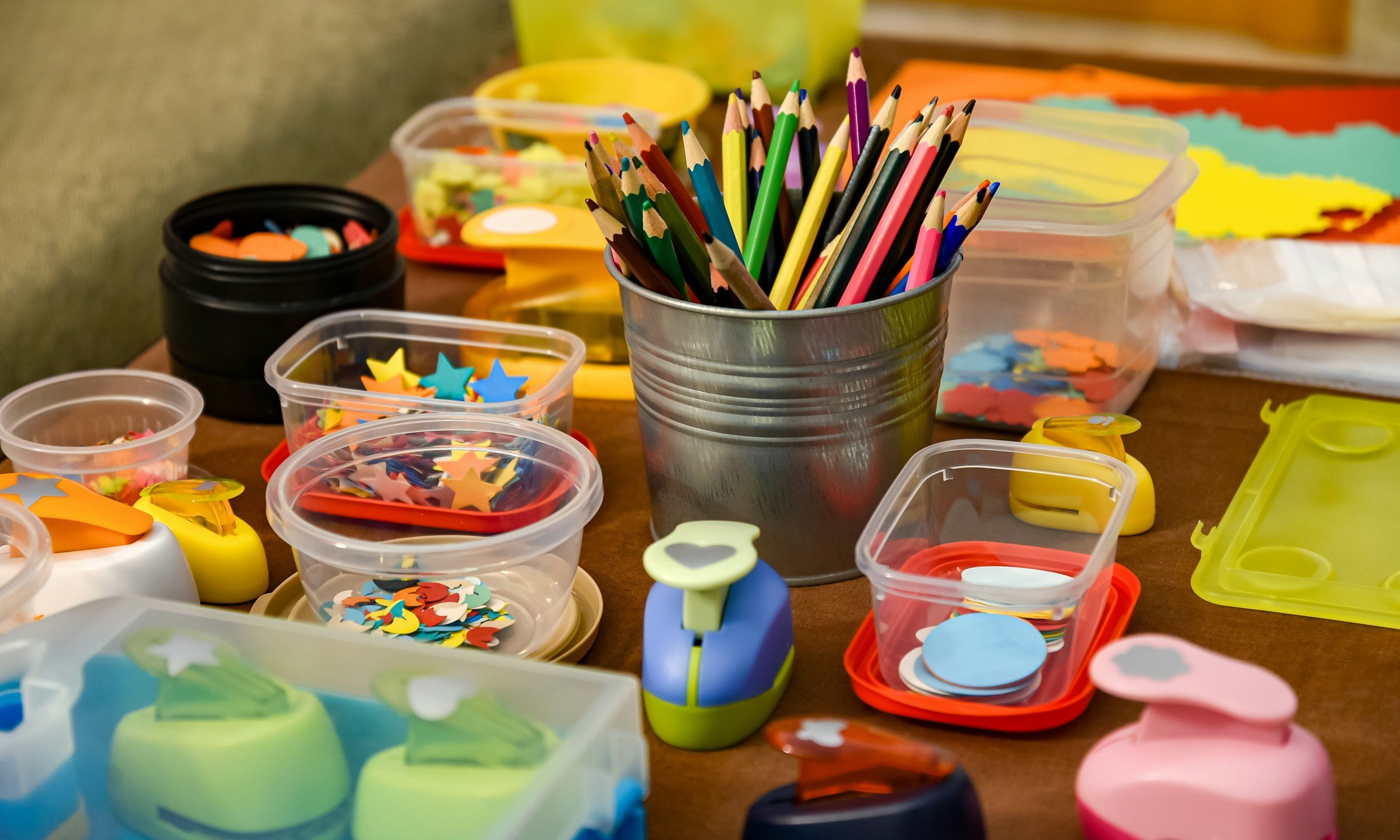
Open-ended toys are materials that can be used in many different ways. Unlike single-purpose toys that are meant to be used in one specific way, open-ended toys encourage creativity and exploration. For example, a set of blocks can become a castle, a spaceship, or a town—all within a single moment of play. A box of art supplies can produce drawing, sculpting, collage, storyboards, and more.
Play researchers emphasize that open-ended play supports:
Creativity and imagination
Problem solving and planning
Language and social skills
Emotional expression and regulation
Independence and confidence
Open-ended toys help children feel in control of their play, which supports emotional autonomy and curiosity.
Why Open-Ended Play Matters for Development
Children learn best when they are actively engaged, curious, and in control of their play. Open-ended toys support learning growth across multiple domains:
1. Cognitive Development
Open-ended play encourages children to test ideas, build structures, create scenarios, and solve problems. These experiences strengthen executive functions such as working memory, flexible thinking, and inhibitory control.
2. Emotional and Social Development
When children play with open-ended toys together, they navigate turns, negotiate roles, and practice empathy. These interactions help children build social competence, communication skills, and emotional regulation.
3. Language and Communication
Open-ended play encourages storytelling, labeling of ideas, and vocabulary building as children describe their plans and actions.
4. Confidence and Autonomy
Because there is no right or wrong way to play, children feel empowered to follow their ideas. This builds confidence and a sense of agency.
Top Open-Ended Toys That Support Development
Many toys qualify as open-ended, but research and early childhood experts recommend materials that encourage creative thinking and unstructured play. Some widely supported open-ended toy options include:
Building blocks
Art supplies (crayons, paper, loose parts)
Dolls and figurines
Wooden train sets
Play dough or clay
Natural materials like sticks, stones, shells
Dress-up clothes
Loose parts such as beads, fabric pieces, or cardboard pieces
Sand and water play materials
These toys allow children to create their own narratives rather than following set instructions. The flexibility invites exploration at every age, supporting growth from preschool through elementary school.
How Parents Can Support Open-Ended Play
Parents do not need to “teach” for open-ended play to be effective. Instead, research suggests that the best support comes from being engaged, available, and curious alongside your child:
Follow your child’s lead
Let children show you what interests them about a toy and build from their ideas.
Reflect rather than correct
Instead of correcting how they play, validate what they are doing. Say things like, “Wow, I see you made a tall tower!”
Ask open “questions”
Invite conversation with “I wonder” questions like:
I wonder what are you building today?
I wonder what will happen next?
I wonder what the dragon thinks?
Provide materials with many possibilities
Less structured toys give children room to explore and use their imagination.
These strategies align with play therapy principles that emphasize child-led exploration and emotional expression.
When Play Supports Emotional and Behavioral Growth
Open-ended play is not just fun. It can help children work through feelings, reduce anxiety, and grow emotional resilience. Children who struggle with emotional regulation or social interaction often benefit from the freedom and expression that open-ended play encourages.
If your child often feels frustrated, resistant, or overwhelmed, child therapy in San Luis Obispo may help. Play therapy uses open-ended toys and activities to support emotional processing, skill building, and confidence. Play therapy gives children a space to express feelings through play without pressure, enhancing emotional health.
References
Bodrova, E., & Leong, D. J. (2015). Vygotskian and post-Vygotskian views on children’s play. American Journal of Play, 7(3), 371–388.
Ginsburg, K. R. (2007). The importance of play in promoting healthy child development and maintaining strong parent-child bonds. Pediatrics, 119(1), 182–191. https://doi.org/10.1542/peds.2006-2697
National Institute for Play. (n.d.). Summary of key findings. https://nifplay.org/play-science/summary-of-key-findings/
Singer, D. G., Golinkoff, R. M., & Hirsh-Pasek, K. (2006). Play = learning: How play motivates and enhances children’s cognitive and social-emotional growth. Oxford University Press.
UNICEF. (n.d.). The role of play in early childhood development. https://www.unicef.org/early-childhood-development/childs-play
Vygotsky, L. S. (1978). Mind in society: The development of higher psychological processes. Harvard University Press.